I get asked quite often about bucket list hikes, and Everest Base Camp is definitely one that comes up again and again. While I haven’t done this trek myself (yet!), I know many of you are considering it — and it’s one of those adventures that requires proper preparation.
I was recently sent this guide, and it gives a helpful overview of what to expect and how to get ready. If Everest Base Camp is on your list, this is a good place to start.
If you’ve been following me for a while, you know I usually share places I’ve personally experienced — especially across Switzerland and family-friendly destinations. From time to time, I also feature selected collaborations that might be relevant or interesting for you when planning your travels. This article is created in collaboration with a trusted partner to share a little insight in what to expect during the Everest Base Camp trek.
Everest Base Camp is often seen as something reserved for hardcore climbers. In reality, that’s far from the truth. Every year, people of all ages and backgrounds make it there — not because they’re elite athletes, but because they prepare properly.
That preparation is what makes the difference between an incredible experience and a really tough one.
What the Everest Base Camp Trek Is Really Like
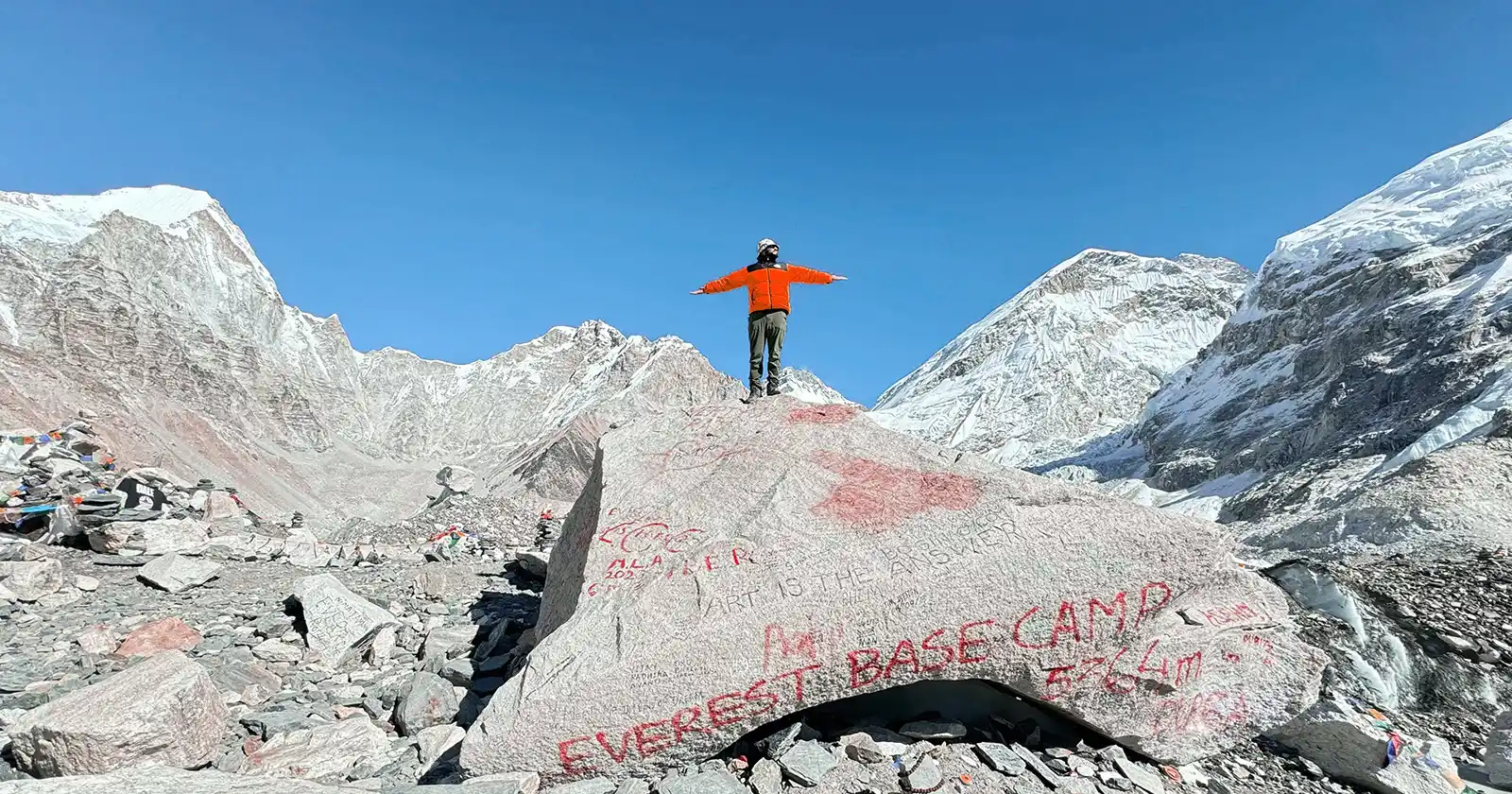
The Everest Base Camp trek starts with a flight to Lukla, a small mountain airstrip that already feels like an adventure. From there, the trail winds through Sherpa villages, across suspension bridges, and past monasteries, gradually gaining altitude over about 12–14 days until you reach 5,364 meters.
It’s important to know: this isn’t a technical climb. You won’t need ropes or climbing gear. But don’t underestimate it — walking for hours each day at altitude is what makes it challenging. Read how an normal Everest base camp trek itinerary would look like
Getting Your Body Ready (This Matters More Than You Think)
You’ll be hiking around 5–7 hours most days, often uphill or on uneven terrain.
You don’t need to be an athlete, but you do need a solid base fitness level.
A few things that genuinely help:
- Regular hikes (especially with elevation gain)
- Carrying a daypack to get used to the weight
- Stair climbing (surprisingly effective)
- Cycling or swimming for endurance
- Stretching to avoid injuries
If you can, start preparing about 2–3 months before your trip. Consistency matters more than intensity.
Altitude is The Real Challenge
Fitness helps, but altitude is what catches most people off guard.
Once you go above 3,500 meters, it’s common to experience mild symptoms like headaches, poor sleep, or fatigue. That’s why the itinerary includes acclimatisation days in places like Namche Bazaar and Dingboche.
The key here is simple:
- Go slowly
- Drink plenty of water (3–4 liters per day is a good rule)
- Listen to your body
- If symptoms get worse, descending is the only real solution.
Some trekkers use medication like Diamox, but it’s best to speak to your doctor before deciding.
What to Pack for The Trek
Good gear makes a real difference up there. Temperatures drop sharply at night, even in spring. You’ll need layers that you can add or remove depending on conditions. A lot of trekkers overpack and end up regretting it because every kilo matters after hour five of walking. If you’re not sure what gear to bring, the team behind this Everest Base Camp Trek shares a detailed packing list with every booking, which makes planning a lot easier.
The basics you shouldn’t leave home without
- Down jacket: Nights in the teahouses get seriously cold, especially above 4,000 meters.
- Waterproof outer layer: Rain and snow can appear quickly. Keep it in your daypack, not your duffel.
- Trekking boots: Wear them in before the trip. Blisters on day two are no fun.
- Trekking poles: Your knees will thank you on the descents.
- Sleeping bag rated to -10C: Teahouses have blankets but they’re often thin at higher elevations.
- Sunscreen and good sunglasses: The UV at altitude is stronger than most people expect.
Packing smart makes a big difference, especially since you’ll feel every extra kilo after a few hours of hiking.
Permits You’ll Need
Two permits are required for the Everest Base Camp trek: the Sagarmatha National Park permit and the TIMS card. Rangers check these at several points along the trail, so you can’t skip them. If you’re going with a trekking agency, they sort all of this out for you as part of the package. If you’re going independently, you can get both permits in Kathmandu before your flight to Lukla.
Best Time to Go
The two seasons that are worth considering are spring (March to May) and autumn (September to November). The weather is also stable and the sky is clear in both of them to view mountains. In April, Spring is a little more popular and trails are busier. The Autumn is a little more hushed and the air is extremely clear following the monsoon.
Winter can be made, and is cold and windy. The heavy rain and low visibility are observed during monsoon season (June to August). As a first-time trekker, spring or autumn is always the good choice.
Do You Need a Guide or Porter?


Technically, you can do the trek independently — but having a guide and porter makes a big difference.
Having a guide familiar with the Khumbu region is really helpful, not only in terms of navigation but also in terms of identifying when the altitude sickness sets in and taking the appropriate decision should the situation alter.
You have a heavy bag that a porter carries so that you can walk easier on a daily basis. To the majority of the people doing a first Everest Base Camp trek, both of these are very beneficial in making the experience considerably easier and safer.
A good guide:
- Helps with navigation
- Monitors altitude symptoms
- Adjusts plans if needed
A porter:
- Carries your heavier bag
- Lets you enjoy the walk more
For most people, especially on a first visit, it makes the whole experience smoother and safer.
Common Questions
Do I need trekking experience?
Not necessarily. As long as you’re comfortable walking for several hours and prepare in advance, it’s very doable.
How long does it take?
Usually 12–14 days, including acclimatisation.
Will I get altitude sickness?
Not everyone does, but mild symptoms are common. Going slowly helps a lot.
Final Thoughts
The Everest Base Camp trek is one of those journeys that looks intimidating at first, but becomes surprisingly achievable with the right preparation.
It’s not about being the fittest or fastest — it’s about going at your own pace, staying consistent, and respecting the altitude along the way.
If it’s been on your list for a while, this might just be the nudge to start preparing. With the right mindset and planning, it’s absolutely within reach — and from everything I’ve heard, it’s an experience that stays with you long after you return home.
More Travel Inspiration
If this has sparked ideas for your next adventure, you’ll find plenty more practical guides on the blog. I always share real experiences and tips to help you plan with confidence — whether it’s exploring Switzerland or heading further afield.
If you’re drawn to mountain scenery and active trips, you might enjoy some of our favourite hikes in Switzerland, perfect for everything from family-friendly trails to more challenging alpine routes.
For winter inspiration, explore the best ski resorts in Switzerland, especially if you’re travelling with kids and looking for places that balance great skiing with a relaxed atmosphere.
And if you’re planning something a bit more adventurous, have a look what it means when driving in Japan.