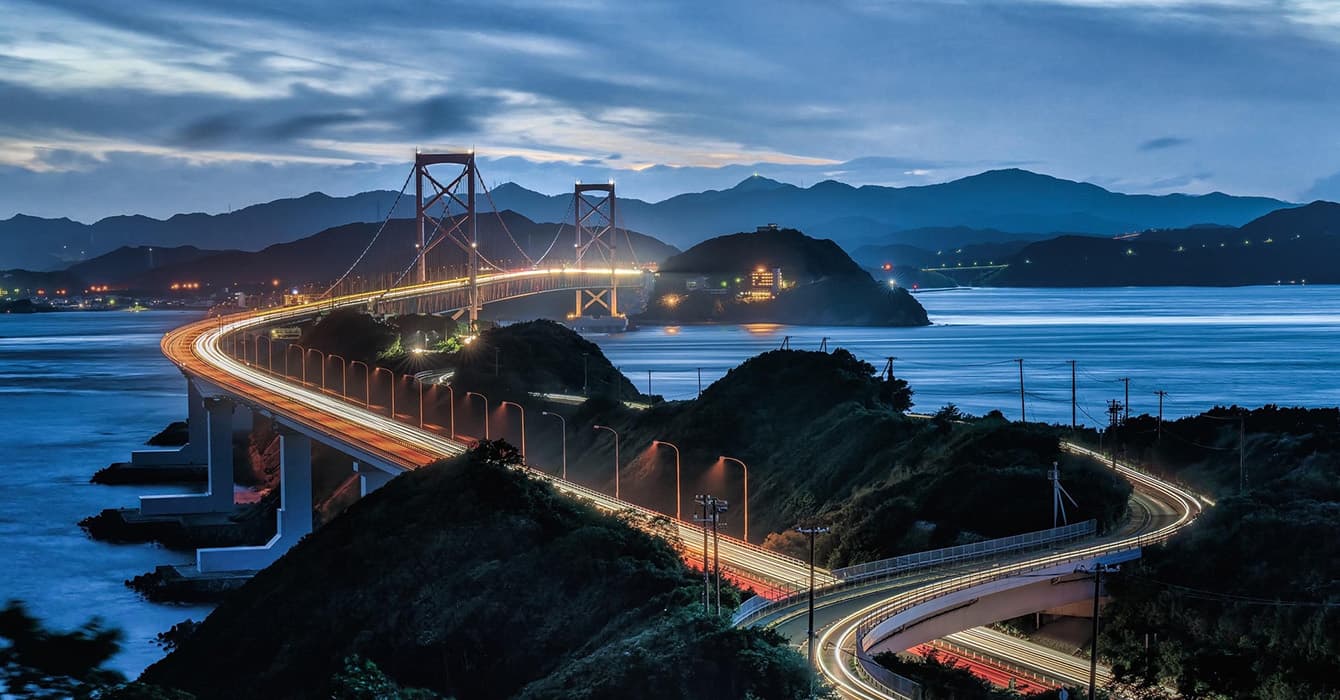
When we decided to spend a month travelling through Japan in November 2025, I knew immediately that renting a car would be essential. I simply couldn’t imagine following our Japan itinerary using only the famous Shinkansen and JR network.
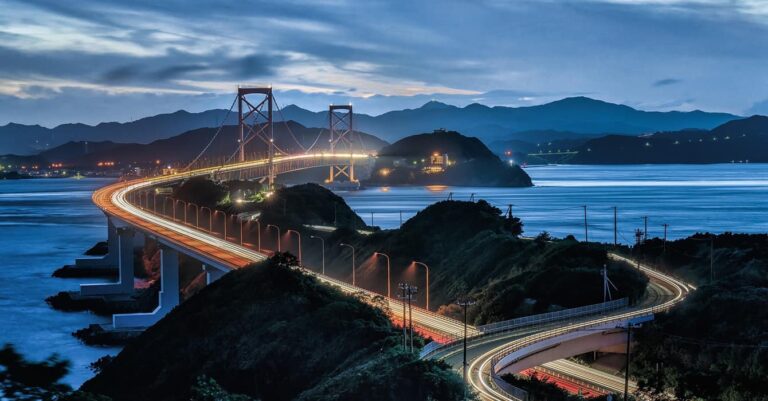
Hiring a car gave us complete freedom. We could detour whenever we wished, add new sights without complicated planning, and discover hidden gems that would never have been possible by train. During our 27-day Japan road trip, we ended up driving precisely 3,999 km, across seven prefectures, crossing bridges between islands and even navigating scenic routes in the Japanese Alps.
After completing our journey, I can honestly say: if you’re travelling around Japan and want to explore beyond the major cities—rent a car.
To help you plan your own Japan road trip, here is everything you need to know about driving in Japan as a tourist and renting a car. Believe me detours and marvelling at Japans’ incredible landscapes will become your daily norm.
List of Contents
- 1 4 Reasons Why You Should Rent a Car in Japan
- 2 Which Driving Licence Do You Need to Drive in Japan?
- 3 Where to Rent a Car in Japan
- 4 Travel Tip: Pre-Book Your Car Rental
- 5 Which Car Should You Rent in Japan?
- 6 Driving Rules in Japan
- 7 Using Google Maps & GPS in Japan
- 8 Road Signs in Japan
- 9 Petrol / Gas Stations in Japan
- 10 Is It Easy to Find Parking in Japan?
- 11 Accommodation With Parking in Japan
- 12 Conclusion
- 13 FAQ when driving in Japan
- 13.1 1. Is it easy to drive in Japan as a tourist?
- 13.2 2. Do I need an International Driving Permit to drive in Japan?
- 13.3 3. How much does it cost to rent a car in Japan?
- 13.4 4. Are tolls expensive in Japan?
- 13.5 5. Is parking easy to find in Japan?
- 13.6 6. Can I rent a car for a one-way trip in Japan?
- 13.7 7. Do I need GPS if I use Google Maps?
- 13.8 8. Is petrol easy to find when driving in Japan?
- 13.9 9. What side of the road do you drive on in Japan?
- 13.10 10. Is renting a car worth it for a Japan itinerary?
4 Reasons Why You Should Rent a Car in Japan
Most visitors to Japan rely on the incredibly efficient public transport system. And if your itinerary only covers the major cities along the “Golden Route”, then using trains is perfectly fine.
But if you’re anything like us and prefer avoiding overcrowded, Instagram-famous spots, a car becomes essential.
Here’s why renting a car in Japan is worth it:
1. Freedom & Stress-Free Planning
Carrying luggage up and down endless train station staircases and navigating busy platforms can be exhausting—especially with kids.
During our November trip, we travelled slowly and often changed plans on a whim. Sometimes we discovered places the night before—or even while driving and checking Google Maps.
Many of these detours simply wouldn’t have been possible without a car. Exploring rural areas so easily made driving in Japan an absolute pleasure. I know many tourists don’t drive in Japan, but I believe that we wouldn’t have enjoyed our trip as much without having a car.
2. Price & Comfort
Many people assume renting a car in Japan is expensive. But try calculating the price of train travel for four people—especially long-distance journeys on the Shinkansen. It’s shockingly expensive.
Taking into account comfort, flexibility and the logistics of getting from A to B, renting a car often works out far better.
We been driving in japan for 27-days and for our rental we paid:
CHF 1,000 (approx. €990) for the car
CHF 400 in tolls via the ETC card
Plus petrol (Chf 0.70 per litre, 2025 price)
For a family of four, this is excellent value compared to train travel.

3. Discover Something New Every Day
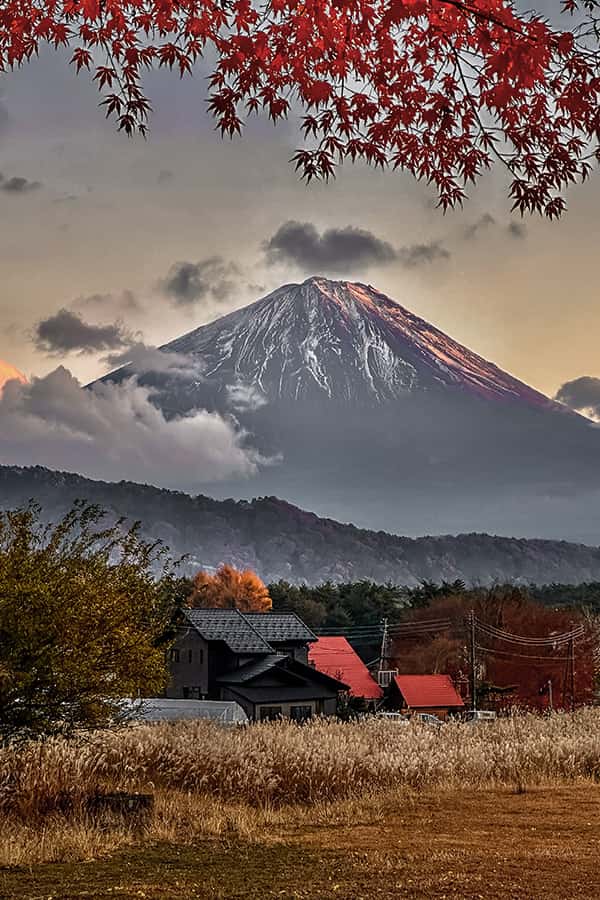
Driving in Japan is nothing like a typical city trip—there are surprises everywhere.
Even motorway rest stops become mini adventures. Toilets, food courts, regional produce, sightseeing boards—sometimes we found new places simply by spotting a panel and checking it on Google Maps.
A quick detour later… and a new hidden gem discovered.
4. Stay Flexible With Your Japan Itinerary
One of the biggest advantages of self-driving in Japan is flexibility.
Some mornings we had planned early departures, but life happens—bad sleep, someone not feeling well, or simply a slow start. With a car, none of this matters. No stress. No rushing for connections.
Travelling through the “Land of the Rising Sun” at your own pace is priceless.
Which Driving Licence Do You Need to Drive in Japan?
This is important—Japan has strict rules.
Licence Translation for Schengen Countries
Travellers from Schengen countries (DACH), France, Belgium, Monaco and Taiwan must obtain an official Japanese translation of their driving licence, issued by JAF (Japan Automobile Federation).
- An International Driving Permit is NOT enough.
- You must carry both your original licence and the official translation.
For Swiss residents
Swiss licence holders may drive in Japan only when carrying:
- Their original Swiss licence
- AND a JAF-issued Japanese translation
IDP Countries (UK, US, Australia, etc.)
Travellers from countries issuing IDPs under the 1949 Geneva Convention (e.g. USA, UK, Canada, Australia, New Zealand) may drive in Japan using:
- A valid IDP (1949 version only)
- Their original home licence
How to get your Japanese licence translation
- You can use an agency who will arrange the translation with JAF and have it sent to your home country (allow ~6 weeks).
- Only if you’re already in Japan, make an online application directly with JAF.
- Always check the official JAF website for up to date information.
Tips When Applying for an IDP
- Check your national automobile association’s website for processing times.
- IDPs expire after 12 months—you cannot keep them for a future trip.
- Ensure the red stamp covers both your photo and backing card; if not, request a correction.
Where to Rent a Car in Japan
We chose to rent our car for the full month directly from Narita Airport. Airport pick-up offices usually guarantees English-speaking staff, which makes the process easier.
We always rent with Discover Cars because of their competitive rates and excellent customer service.
For day rentals (e.g. a one-day trip from Kyoto to Magome), you can also check:
-
- Discover Cars
- Booking.com car rentals
- Local Japanese rental companies (often cheaper but with less English support)
Travel Tip: Pre-Book Your Car Rental
Car availability in Japan varies dramatically depending on season and location. To avoid disappointment, always book in advance.
The reason why we use Discover Cars is their very customer friendly cancellation policy.
Car Rental in Okinawa
Car rentals in Okinawa can sell out months in advance, especially during holidays.
If you’re planning to rent a car there—book well ahead (3+ months).
One-Way Car Rentals in Japan
Unfortunately, one-way rentals are still quite limited in Japan.
We would have loved to pick up a car on Kyushu island and drop it in Tokyo, but it was difficult to organise.
Some local providers like Toyota Rent a Car occasionally offer one-way options, so always check their website.
One Day Car Rental
When you plan to drive in Japan as a tourist, the most obvious choice to rent a car is on your arrival but you can also just rent a car for a day or two. Just keep this in mind. especially if you would like to explore the Magome region or want to head into the Iya valley on Shikoku Island.


Which Car Should You Rent in Japan?
Your car size depends largely on your luggage.
Kei cars (K-cars) are cute and compact but have very limited luggage space. I call them Postman Pat cars.
Larger cars make driving easier but may be trickier to park in tight areas and narrow mountain roads.
We rented a Toyota Corolla which fitted our family of four, two large Northface duffel bags, one medium suitcase and backpacks—perfect for a long road trip in Japan.
Must-Have Add-Ons for Your Car Rental
When booking your car, consider adding:
-
-
- ETC Card (Electronic Toll Collection). A must for driving in Japan. When you pick up your car ask to rent the ETC card, simply insert it into the slot near the steering wheel and tolls will automatically be calculated. You simply pay the total when returning the car. The card cost Chf 1.75 for the whole rental and is such a huge plus allowing use of the express lanes at the toll booths!
- GPS / Navigation in English. Most cars have built-in navigation, but confirm it includes English.
- Extra insurance if needed
- Booster seats
- Winter tyres, depending on season and region.
-
Tip: Bring a paper copy of your reservation email.
Most rental companies also offer a free airport shuttle.
Signing the Contract in Japan
Remember that dates follow the format: YYYY-MM-DD


Driving Rules in Japan
Most rules are similar worldwide, but here are the essentials:
-
-
- Minimum driving age: 18
- Drive on the left-hand side
- Standard motorway speed limits vary (typically 80–110 km/h)
- No alcohol whatsoever
- Strict adherence to speed limits
-
Using Google Maps & GPS in Japan
The in-car GPS works well once you understand how to enter addresses. Japanese addresses are written from large to small areas.
Example:
-
-
- Tokyo Central Post Office
7-2, Marunouchi 2-Chome
Chiyoda-ku, Tokyo 100-8994
- Tokyo Central Post Office
-
to break it down for you what you have to first enter into the GPS.
-
-
- Tokyo = Prefecture
- Chiyoda-ku = Ward
- Marunouchi 2-Chome = District
- 7-2 = Block & building number
-
You can also search using phone numbers—a very useful method in Japan.
If using your own phone, bring a USB cable. Many cars even provide a cable and not just the socket.
Road Signs in Japan
Most major road signs display Japanese with English underneath. We rarely encountered signs only in Japanese.

Petrol / Gas Stations in Japan
You’ll find petrol stations everywhere. Common brands include:
-
-
- Cosmo
- Eneos
- Shell
- Apollo
-
Self-service pumps often require translation—Google Translate’s camera is your best friend. There are also manned petrol stations where the attendant will do everything whilst you remain in the car.
Useful Japanese Petrol Station Words
-
-
- kado = Insert card
- reshito = Receipt
- regura = regular petrol
- keiyu = Diesel
- mantana = Full tank
-
Good to know:
“Michi no Eki” roadside stations are wonderful—but most do NOT have petrol.
Is It Easy to Find Parking in Japan?
Yes!
Despite what many travellers fear, finding parking in Japan was never a problem for us—across 4 weeks, 7 prefectures, from Nikko to Fukuoka and back. Even in the back streets of the Tokyo suburbs we found free parking spaces.
Costs and Finding Spots
Parking generally costs ¥500–¥2,000 per day.
To save money, don’t park directly next to temples—look for nearby neighbourhood parking and walk.
At some places (e.g. Chureito Pagoda in Fujiyoshida), locals even offer private parking that is cheaper than official lots.


Accommodation With Parking in Japan
Adding the “parking available” filter on Booking.com does reduce your options, but there are still many great accommodations in Japan with private parking.
We even found a lovely place in Tokyo offering parking and just 10 minutes from the nearest train station.
Conclusion
Driving in Japan is one of the best ways to explore the country beyond the usual tourist routes.
From rural villages to mountain passes and coastal roads, having your own car gives you the freedom to experience Japan at your own pace.
Renting a car in Japan is straightforward as long as you have the correct licence documents, and once you’re on the road, you’ll find clear signs, well-maintained highways and plenty of parking options.
If your Japan itinerary includes scenic landscapes, small towns or hidden gems that public transport can’t easily reach, renting a car will elevate your entire trip.
For travellers looking for comfort, flexibility and authentic discovery, a Japan road trip is truly unbeatable.
FAQ when driving in Japan
1. Is it easy to drive in Japan as a tourist?
Yes. Driving in Japan is straightforward once you adjust to driving on the left-hand side. Roads are well-maintained, signage usually includes English, and navigation systems are reliable. The main challenges are narrow mountain roads and busy city traffic, but outside of major cities driving is very relaxed.
2. Do I need an International Driving Permit to drive in Japan?
It depends on your country. Travellers from the UK, USA, Australia, New Zealand, and Canada must have an International Driving Permit (IDP) under the 1949 Geneva Convention, plus their original driving licence. Travellers from Schengen countries (including Switzerland), France, Belgium, Monaco, and Taiwan need an official Japanese translation of their licence — an IDP alone is not valid. Check section above.
3. How much does it cost to rent a car in Japan?
Prices vary by season and car size, but generally a rental car costs between ¥5,000 and ¥12,000 per day. For our 27-day rental, we paid approximately CHF 1,000 plus toll fees and fuel. Car hire can be significantly cheaper than Shinkansen travel for families or groups.
4. Are tolls expensive in Japan?
Yes, tolls can add up, especially during long-distance travel. Using an ETC card makes the process faster and sometimes slightly cheaper. We paid around CHF 400 in tolls during our one-month Japan itinerary.
5. Is parking easy to find in Japan?
Surprisingly yes. Even in popular areas, paid parking lots are common and cost roughly ¥500–¥2,000 (Chf 2.50 to 10.-) per day. Rural areas and small towns often have free or inexpensive parking. Many hotels and guesthouses offer their own parking spaces — just use the filter when booking.
6. Can I rent a car for a one-way trip in Japan?
One-way car rentals are still limited. Large companies rarely allow cross-island drop-offs (e.g., Kyushu to Tokyo). Some local providers, such as Toyota Rent a Car, offer limited one-way options. Always check in advance.
7. Do I need GPS if I use Google Maps?
Google Maps works perfectly in Japan, especially if your rental car has a USB port. However, the in-car GPS can be useful in rural regions, especially when searching by Japanese phone number — a common and very convenient method.
8. Is petrol easy to find when driving in Japan?
Absolutely. Petrol stations are frequent and well signed. Many offer both self-service and full-service. Just be aware that roadside stations on the motorway (michi-no-eki) often do not have petrol pumps.
9. What side of the road do you drive on in Japan?
Japan drives on the left-hand side, similar to the UK, Australia, and New Zealand. If you’re used to right-hand driving, take it slow at first, especially exiting car parks and when turning.
10. Is renting a car worth it for a Japan itinerary?
If you plan to explore rural areas, mountains, coastlines, small towns, or less touristy regions, renting a car offers unbeatable flexibility. For city-only itineraries (Tokyo, Kyoto, Osaka), public transport is more efficient — but for discovering hidden Japan, a car is absolutely worth it.
I hope that the information provided here when Driving in Japan as a Tourist – Car Rental Tips & More, will prove useful when you’re planning a trip to Japan.
If I have left anything out or you have a question, please ask your questions in the comments below so that other readers can join in the conversation and benefit from your queries also.
This is one of many Japanese travel guides for you so the planning will makes it easier. If you ever travel to Switzerland I also have written down some amazing Swiss itineraries.. Or maybe you need a trip to Iceland with the Kids, where you can see Puffins in Iceland, or how to reach the Westman Islands the best way.
Thank you & Never Forget to Travel