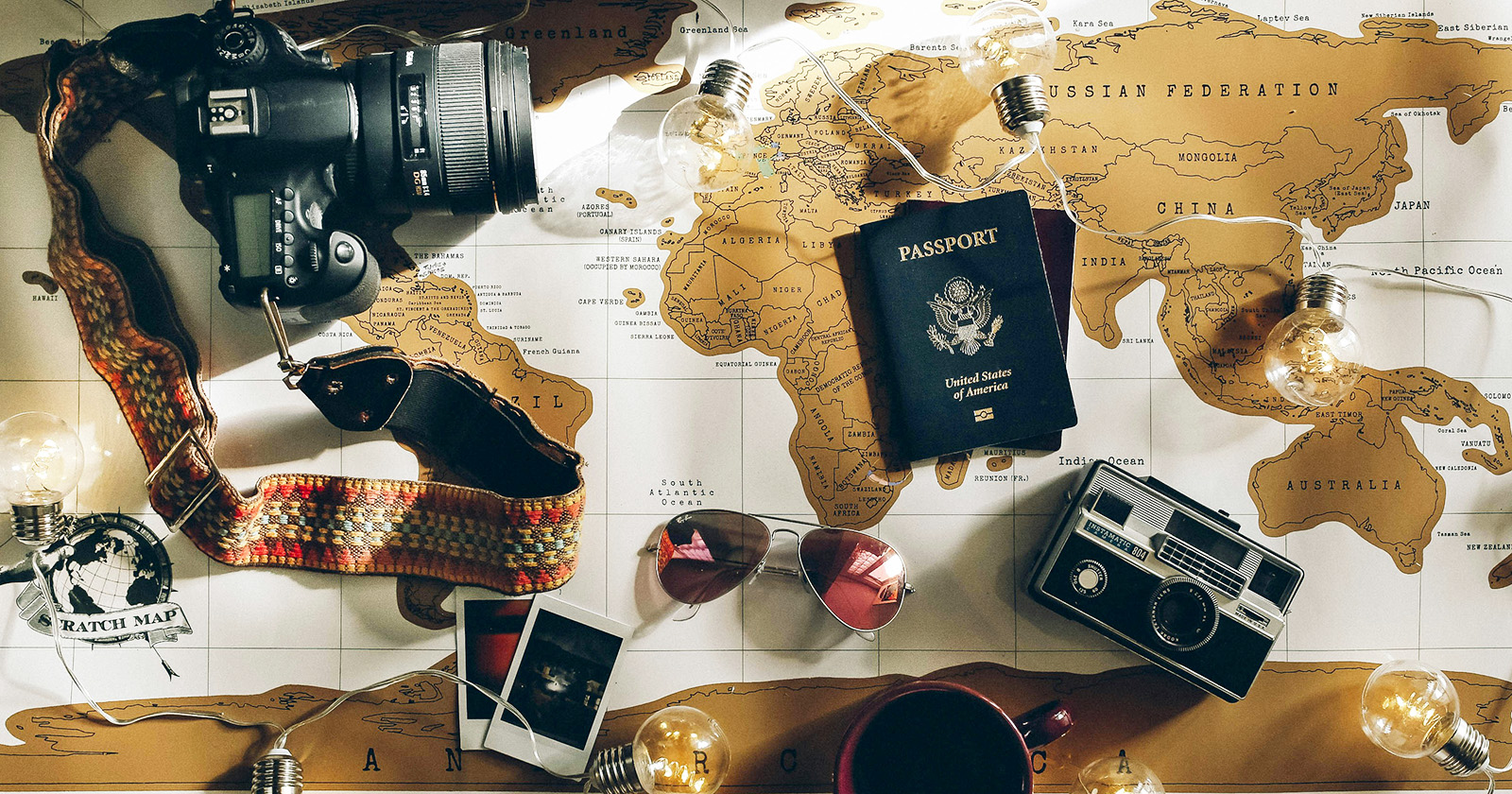
Packing camera gear for a trip is one of those things I still overthink. Do I bring the proper camera, or just trust my phone and travel light? I go back and forth every single time.
This guest post breaks down how to think about it — what’s actually worth packing and what’s just dead weight in your bag. It’s a nice one to bookmark before your next trip.
This is a collaborative post. While some content was provided by our partner, all final editing and publication decisions remain with Packed Again.
Travel photography has become a central part of how we experience and share our adventures. Whether you’re exploring a new city, hiking through mountains, or relaxing on a beach, the urge to document these moments is stronger than ever.
Yet many travellers face a common dilemma: how do you capture quality footage and photos without turning your luggage into a camera equipment warehouse? The answer lies in understanding what gear actually matters for your trip and how to pack it strategically.
The evolution of travel photography has made this challenge both easier and more complicated. Smartphones have democratised high-quality image capture, but they also come with limitations in stabilisation, zoom capability, and creative control.
Meanwhile, dedicated cameras offer more flexibility but demand more space and weight. For travellers who want to do more than snap quick phone photos, finding the right balance between capability and portability is essential.
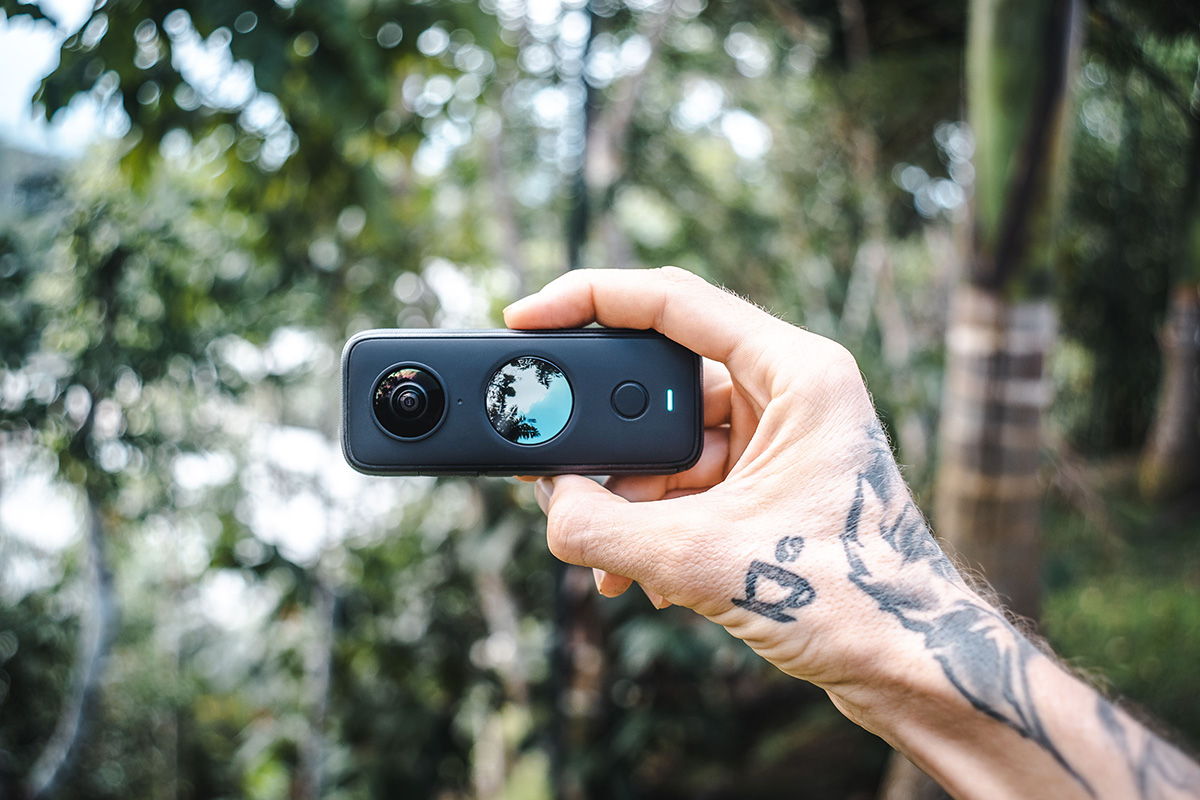
Some travellers invest in a travel cam or similar specialised equipment, while others prefer to master their smartphone’s native features. The key is knowing what type of content you want to create before you pack.
Assessing Your Photography Needs Before You Pack
Not every traveller needs the same gear. Your packing strategy should start with an honest assessment of what you actually plan to shoot.
- Are you documenting a family holiday with casual snapshots?
- Creating content for social media?
- Filming a vlog?
- Capturing professional-quality footage for a project?
Your answer determines everything that follows.
Consider the type of travel you’re doing as well. A beach resort trip has different demands than a multi-country backpacking adventure. Urban exploration differs from outdoor hiking. The duration matters too. A weekend getaway allows for heavier gear than a month-long journey.
Once you’ve identified your primary shooting goals, you can make informed decisions about what to bring rather than defaulting to “everything just in case.”
Many travellers overpack camera gear out of anxiety about missing moments. This approach typically backfires. Heavy equipment gets left in hotel rooms. Bulky cases take up valuable luggage space. The best travel photography setup is one you’ll actually use, which usually means something lighter and more convenient than your full home studio.


The Smartphone as Your Primary Tool
For most leisure travellers, a smartphone is already the most practical primary camera. Modern phones capture exceptional photos and video, especially in good lighting. They’re always with you, require no additional packing space, and integrate seamlessly with social media sharing.
The key to maximising smartphone photography is understanding its strengths and limitations.
Phones excel at wide-angle shots, low-light performance, and computational photography features like night mode and portrait mode. They struggle with zoom quality, stabilisation during movement, and creative control over exposure and focus.
To pack smarter, focus on smartphone accessories that address these gaps without adding bulk. A compact tripod weighs almost nothing but opens up possibilities for group photos, long exposures, and hands-free video. A simple lens cleaning cloth prevents smudges that ruin otherwise perfect shots.
Consider whether a small phone gimbal or stabiliser makes sense for your trip if you plan to shoot video while walking or moving.
The beauty of this approach is that you’re not adding much weight or volume to your luggage. A smartphone, a small tripod, and a cleaning cloth take up less space than a single paperback book.
When to Bring Dedicated Camera Equipment
Dedicated cameras make sense when you have specific creative goals that smartphones can’t meet. If you’re a photography enthusiast, a travel photographer, or someone creating content that requires particular technical capabilities, a compact camera or mirrorless system might justify the extra luggage space.
The key word here is “compact.” Full-frame DSLR systems with multiple lenses are impractical for most travellers. Instead, consider lightweight alternatives like compact cameras, action cameras, or mirrorless systems with a single versatile lens. These options deliver professional-quality results without requiring a separate camera bag.
When packing dedicated camera gear, be ruthless about what you actually need. One versatile lens almost always beats multiple lenses for travel.
A camera with good stabilisation reduces your need for tripods. Built-in wireless connectivity lets you transfer images to your phone for immediate sharing without cables or adapters.
Additionally, you can also try AI glasses by Ray-Ban let you take photos and record short videos hands-free. Remember to pack their charging case, and test a few shots before your trip to get familiar with the framing.
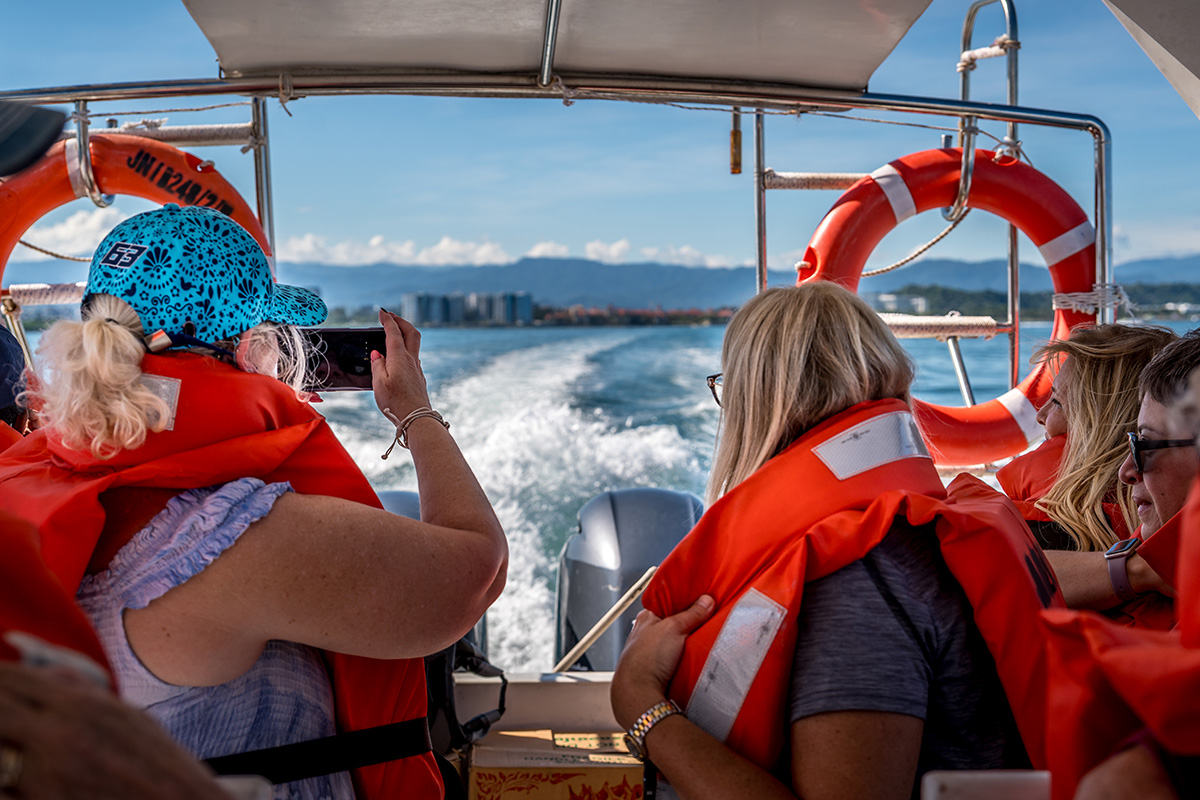
Organising Your Photography Gear in Your Luggage
Once you’ve decided what to bring, packing it efficiently matters as much as the selection itself. Photography gear needs protection from damage, but it shouldn’t dominate your suitcase.
Use a small, padded camera insert or bag within your larger luggage rather than a dedicated camera backpack. These inserts protect your equipment while taking up minimal space.
Organise items by frequency of use. Your primary camera and most-used lens should be easily accessible, not buried under everything else.
Cables, chargers, and adapters deserve special attention.
Use a small pouch to keep these items together and prevent them from tangling with your clothing. Label cables if you’re travelling with multiple devices. A portable power bank specifically for camera batteries ensures you won’t miss shots due to dead batteries.
Consider the climate and environment of your destination. Humid tropical locations require different protection than dry desert climates. Dusty environments demand more frequent cleaning. Pack accordingly with protective cases, lens caps, and cleaning supplies appropriate to your destination.
Balancing Quality with Practicality
The tension between wanting great travel photos and wanting to travel light is real. The solution isn’t about choosing one over the other but finding your personal balance point.
Start with your smartphone and master its capabilities. Add accessories only when you identify specific gaps in what it can do. If you find yourself consistently frustrated by the same limitation, that’s a signal that additional gear might be worthwhile.
If you’re happy with what you’re capturing, resist the urge to pack “just in case” equipment.
Remember that the best camera is the one you have with you. A mediocre photo taken with your phone beats a perfect photo you didn’t capture because your dedicated camera was too heavy to carry that day.
Travel photography is ultimately about documenting your experience and sharing it with others, not about having the most advanced equipment.
Conclusion
Smart travel photography packing starts with honest self-assessment about what you actually need, continues with strategic selection of versatile gear, and ends with efficient organisation in your luggage.
Most travellers will find that a smartphone with a few lightweight accessories covers their needs beautifully. Others may justify bringing dedicated equipment for specific creative goals.
The common thread is intentionality. Pack what serves your actual travel photography goals, not what you think you should pack or what you’re afraid of leaving behind.
This approach keeps your luggage manageable while ensuring you capture the memories that matter most.
If you’re looking for more travel inspiration, you’ll find plenty of family-friendly destinations, easy travel ideas, and slow travel routes across my blog—from relaxed Swiss getaways to longer adventures designed with comfort in mind. These types of trips often work beautifully for travel photography as well.
Photography is always a very big part of our travels, and I am definitely the “just in case” packer, but will now look more into my system and try to really think what to bring. b cease it is true, some gear mack the trip, but never leave the hotel room.
Thanks for sharing it!