Everest Base Camp has been on my someday-list for years — the altitude always felt like the real unknown, more than the walking itself. This guest post lays out the whole route day by day, so it’s worth bookmarking if you’re even half-considering it.
This is a collaborative post. While some content was provided by our partner, all final editing and publication decisions remain with Packed Again.
The Everest Base Camp trek looks like something only mountaineers do. It isn’t. It’s a long walking holiday at altitude, on a well-worn trail with teahouses, hot meals, and a bed at the end of every day. There are no ropes, no ice axes, and no climbing skills involved at any point.
Every season the trail carries families with teenagers, couples in their sixties, and people who have never slept above 2,000 m. The trekkers who reach Base Camp are rarely the fittest ones. They’re the ones who gave themselves enough days.
Here’s the exact route, day by day: where you sleep each night, how high you climb, which days are built in for acclimatising, and what it actually costs. If you’re still deciding whether to go and want to get your fitness and gear sorted first, start with our guide on preparing for the Everest Base Camp trek
Everest Base Camp Trek Itinerary at a Glance
| Duration | 12 to 14 days on the trail (about 16 days door to door) |
|---|---|
| Highest point | Kala Patthar, 5,545 m |
| Base Camp altitude | 5,364 m |
| Difficulty | Moderate to hard, with long days but no technical climbing |
| Best months | March to May, and October to November |
| Daily walking | 5 to 7 hours |
| Accommodation | Teahouses (simple family-run lodges) |
| Permits | Sagarmatha National Park + Khumbu Pasang Lhamu |
| Typical cost | USD $1,400 to $2,500 per person, all in |
Where Does the Everest Base Camp Trek Start?
The trek starts in Lukla, a small mountain town at 2,860 m reached by a 30-minute flight from Kathmandu. There is no road in. The runway is short and built on a slope, which makes the flight one of the most memorable parts of the whole trip.
One detail worth planning around: during the busy spring and autumn months, these flights often shift from Kathmandu to Ramechhap, a 4-5 hour drive east of the city, with departures around 2 a.m. It sounds gruelling, and it is manageable, but it changes the shape of the first day completely.
Flights are also weather-dependent and get delayed. Building one or two spare days into the end of the trip means a cancelled flight does not cost anyone their international connection.
How Long Does the Everest Base Camp Trek Take?
The Everest Base Camp trek takes 12 to 14 days of walking, roughly 8 days up and 3 to 4 days back down. With travel days at either end, most trips block out about two weeks.
The days fall out something like this:
Day 1. Fly to Lukla, walk down to Phakding (2,610 m). An easy half day.
Day 2. Cross the high suspension bridges and climb steeply to Namche Bazaar (3,440 m). The hardest day so far.
Day 3. Rest day in Namche, with a short climb up towards the Everest View Hotel and back down. This is how acclimatisation works.
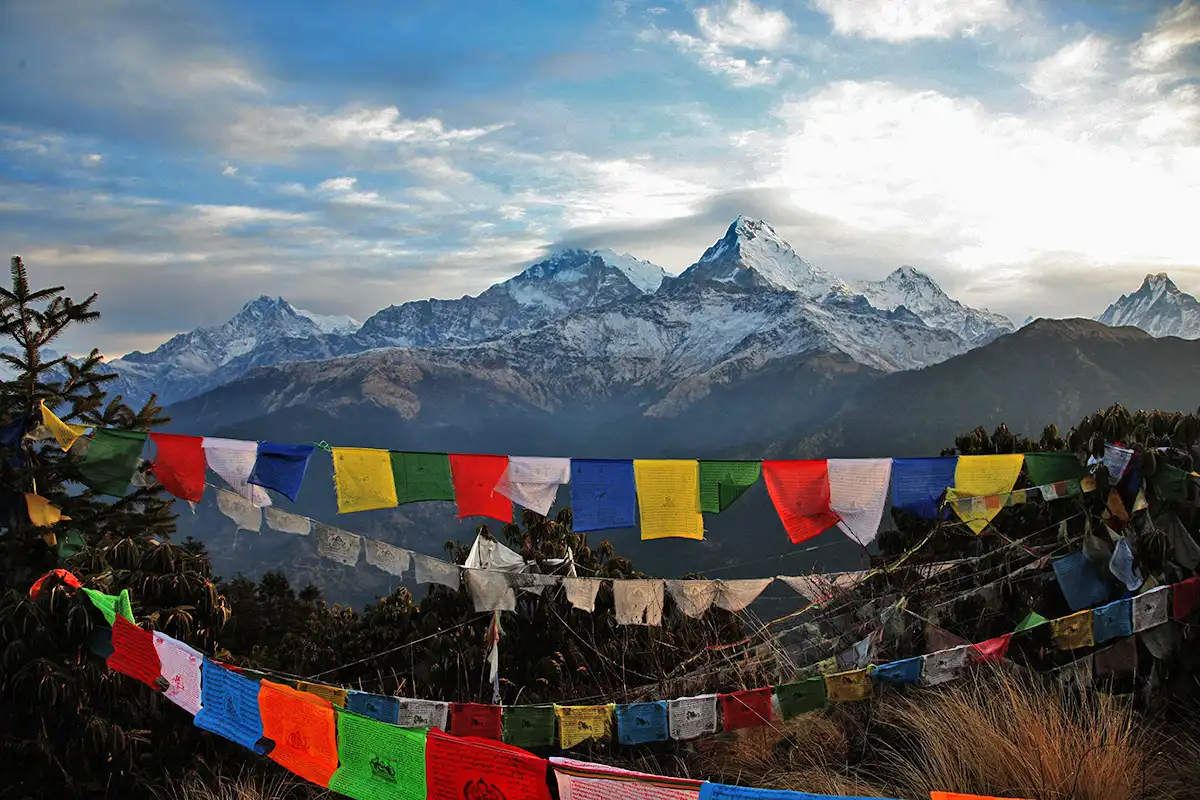
Day 4. On to Tengboche (3,860 m) and its famous monastery, with Ama Dablam filling the sky ahead.
Day 5. Up to Dingboche (4,410 m). The trees stop here, and the landscape opens out, bare and wide.
Day 6. Second rest day. Another short climb up, another night slept low.
Day 7. On to Lobuche (4,940 m), past the stone memorials to climbers who died on Everest. A quiet, sobering stretch of trail.
Day 8. Gorak Shep (5,164 m), then out across the glacier to Everest Base Camp (5,364 m).
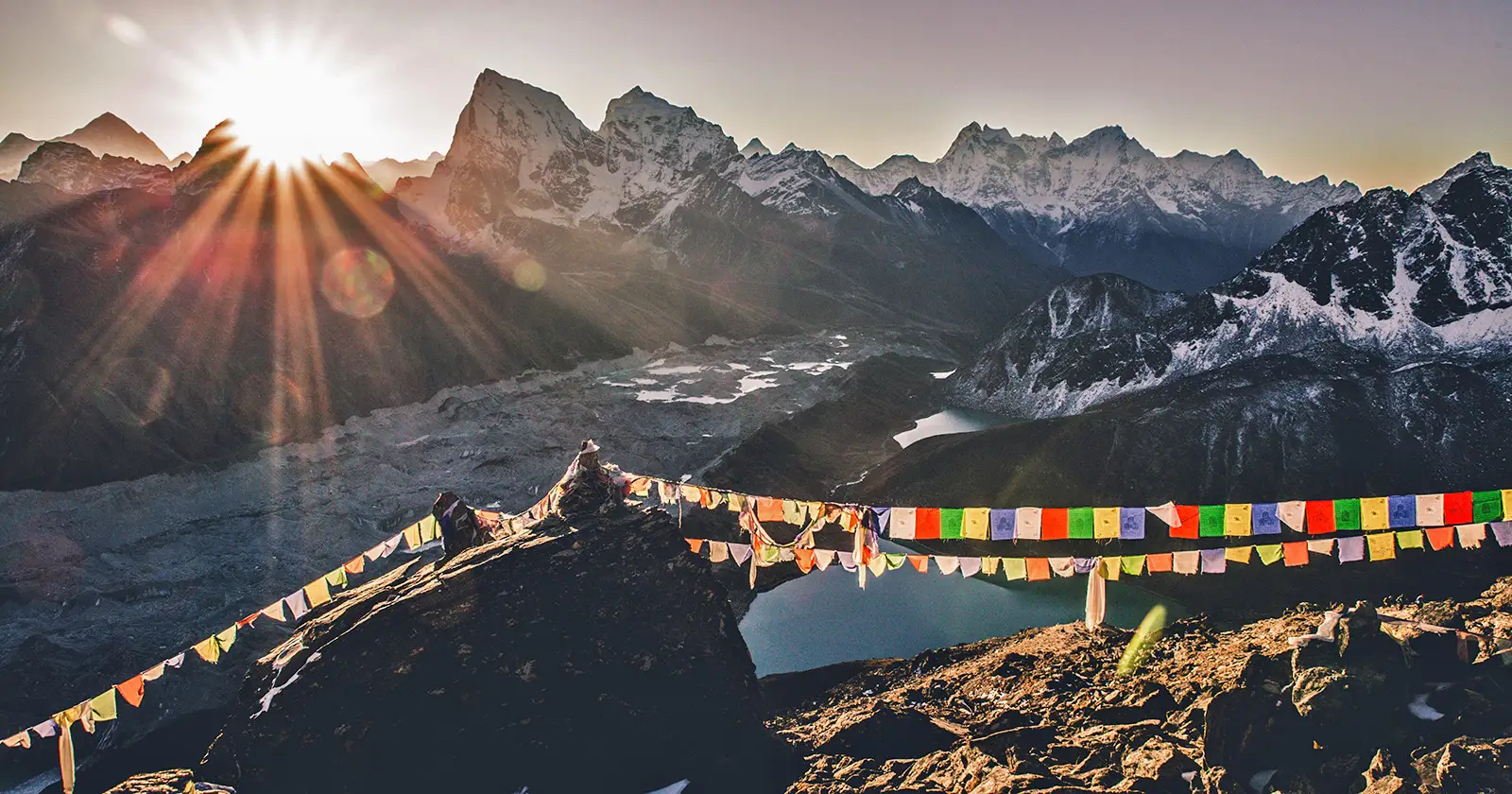
Day 9. Pre-dawn climb to Kala Patthar (5,545 m) for sunrise on Everest, then the descent begins.
Days 10 to 12. Back down to Lukla. Descending is fast, and the thicker air feels wonderful.
Those two rest days are not padding. Skipping them is the single most common reason trekkers turn back early, and any well-built Everest Base Camp trek itinerary keeps both of them in place rather than shaving days off the schedule.
How Hard is the Everest Base Camp Trek?
The Everest Base Camp trek is physically moderate but altitude-hard. The walking is not technical, just a rocky footpath going up and down for five to seven hours a day. Anyone who can hike for six hours with a daypack and get up and do it again the next morning has the fitness for it.
The air is what catches people out. Above 4,000 m there is roughly half the oxygen available at sea level. Walking pace slows down. Tying a boot leaves you breathless. Sleep gets patchy. All of that is normal.
Altitude sickness is the real risk, and fitness offers no protection against it. Headache, nausea, dizziness, and loss of appetite are the warning signs.
The rules that keep trekkers safe are simple:
- Gain height slowly and take the acclimatisation days.
- Drink 3 to 4 litres of water a day.
- Report symptoms to the guide immediately rather than pushing through them.
- If symptoms worsen, go down. Descending fixes altitude sickness. Nothing else reliably does.
Diamox is worth discussing with a doctor before travelling. Insurance needs to specifically cover trekking to 6,000 m including helicopter evacuation, because standard travel policies usually do not.
When is the Best Time to Trek to Everest Base Camp?
The two best seasons are spring (March to May) and autumn (October to November). Autumn delivers the clearest skies of the year once the monsoon has washed the air clean. Spring is warmer, busier on the trail, and brings the rhododendron forests below Namche into full bloom.
Monsoon (June to August) means rain, cloud, leeches at lower altitudes, and frequent flight cancellations. Winter (December to February) is clear and beautiful but seriously cold, with nights near minus 15 °C at Gorak Shep and some teahouses closed for the season.
For classic views with thinner crowds, late November and early March are the sweet spots.
What Permits are Needed and What Do They Cost?
Two permits are required, coming to about NPR 6,000 (roughly US$40) per person:
- Sagarmatha National Park Entry Permit. NPR 3,000, available at the Nepal Tourism Board office in Kathmandu or at the Monjo checkpoint.
- Khumbu Pasang Lhamu Rural Municipality Permit. NPR 3,000, issued only in Lukla or Monjo, not in Kathmandu.
The TIMS card is no longer required for the Everest region. Fees are set in Nepali rupees and reviewed periodically, so it is worth confirming the current rate before travelling. Payment must be in Nepali cash, as the checkpoints do not accept dollars.
Since 2023, trekkers on Nepal’s main routes are also expected to walk with a licensed guide. Booking through a registered agency means all of this paperwork gets handled in advance.
How Much Does the Everest Base Camp Trek Cost?
A full guided Everest Base Camp trek costs US $1400 to $2500 per person, covering permits, the Lukla flights, teahouse accommodation, meals on the trail, and a licensed guide and porter.
Where the money goes:
- Lukla return flight: $400 – $460
- Permits: around US$45
- Guide: US30toUS40 a day. Porter: US $20 -$25 a day
- Food and lodging: US $30 -$40 a day, rising with altitude
- Extras: hot showers, device charging, Wi-Fi cards, bottled water, and tips
Prices climb along with the trail, because everything above Namche arrives on the back of a yak or a porter. Carrying US $300 -$400 in Nepali cash is sensible. Namche has ATMs, but they are unreliable, and there are none at all beyond it.
What are Teahouses Like?
Teahouses are simple family-run lodges: a twin room with two single beds and a blanket, a shared bathroom down the hall, and a dining room warmed by a yak-dung stove in the evening. That dining room is the social heart of the trek.
The food is plentiful and mostly carbohydrates. Dal bhat, the local plate of rice, lentils, and vegetables, comes with free refills, which is why most guides eat it twice a day. Pasta, fried rice, potatoes, soup, and some surprisingly good bakery cake in Namche round out the menus.
A minus 10 °C sleeping bag is worth bringing in any season. Wi-Fi runs on prepaid Everest Link cards, charging a device costs a few dollars, and hot showers are a paid extra that stops feeling appealing once the temperature really drops.


Can You Go Higher Than Base Camp?
Yes, and plenty of trekkers decide to walk back down. Base Camp itself is a rocky moraine at the foot of the Khumbu Icefall, and standing there tends to make people want to go up rather than home. Island Peak climbing at 6,189 m is the usual next step, added to the end of the same trek while the body is already acclimatised, with a day or two of basic rope and crampon training at Chhukung first.
Gentler add-ons include the Gokyo Lakes, a chain of turquoise glacial lakes with a viewpoint at Gokyo Ri, or the full Three Passes circuit for anyone with three weeks and strong legs.
What Should You Pack?
Layers, and less than most people expect. The essentials:
- Broken-in hiking boots, never new ones
- Base layers, a fleece, and a down jacket
- Waterproof jacket and trousers
- Minus 10 °C sleeping bag, warm hat, gloves, and a buff
- Trekking poles, which save the knees on the long descent
- Sunglasses, high-factor sun cream, and SPF lip balm
- Water bottles plus purification tablets or a filter
- Headtorch, power bank, basic first aid, and blister plasters
A porter carries up to 15 kg, leaving trekkers with a daypack holding water, snacks, sun cream, and a warm layer. Duffel bags and down jackets are cheap to rent in Kathmandu, so there is no need to buy a full kit at home.
Is the Everest Base Camp Trek Worth It?
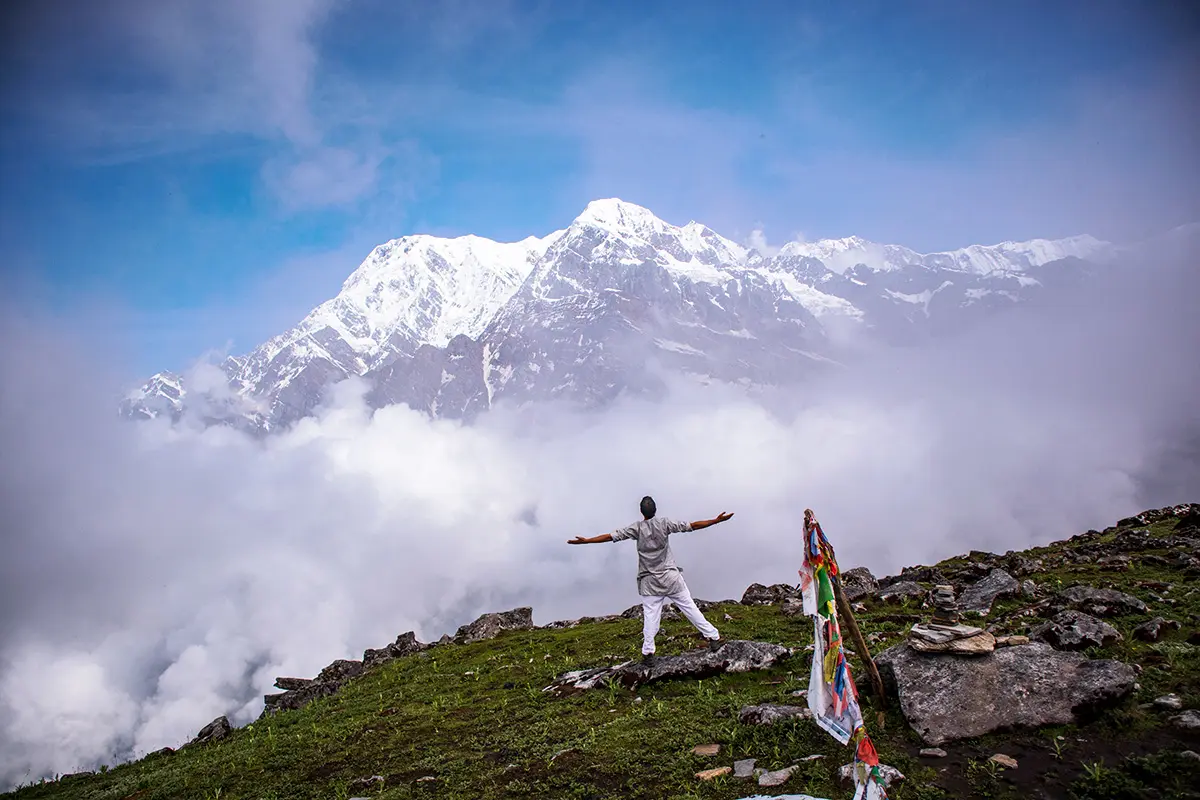
Yes, and not mainly because of the mountain. Everest is not even the most striking peak on the route, since Ama Dablam takes that title easily. What stays with people is the slowness of it: twelve days of walking, no cars, no rush, monasteries and prayer flags and yak trains, and a bed each night in a village that took a full day to reach on foot.
Athletic ability is not the requirement. Decent fitness, two clear weeks, a sensible schedule, and the patience to walk slowly are. That is the whole secret.
If you’re after more travel inspiration, you’ll find plenty of Swiss mountain days out, full route itineraries, and more across the Swiss travel category—from short alpine day trips to longer routes built around pacing yourself properly.
Nothing I plan gets anywhere near 5,364 m, but the logic is the same wherever you go: know your route before you go, don’t skip the rest days, and let the itinerary do the thinking instead of winging it. This one honestly made me want to move Everest Base Camp off the “someday” list and onto an actual calendar.