

It’s coming, winter will be here before we know it. No matter if you are living in the alps with constant snow around you or lower down where wet and damp weather conditions can be faced on a daily basis, the question of “how should kids dress in winter” is often asked.
Living in the Swiss mountains, winter can be hard and long. This is why it is very important to have the best winter clothing & gear for kids and toddlers.
The kids want to be outside when the snow is falling, it makes them happy and it is healthy for them. The only thing we need to ensure is that they are warm and have the best winter clothing there is.
I always need a few sunny winter days to get fully excited about it. Once the Valais has shaken off its autumn leaves and replaced it with its white coat, the ski season is starting. It is then when I am in full winter mood all the way to April.
Yes, you heard me right, we’re in full winter mood here in the Valais alps sometimes as early as November all the way to April.
To keep the kids (and parents) happy during these long Swiss winter months the goal is to keep the kids and us warm when we’re enjoying a day on the ski slopes or just building a snowman.
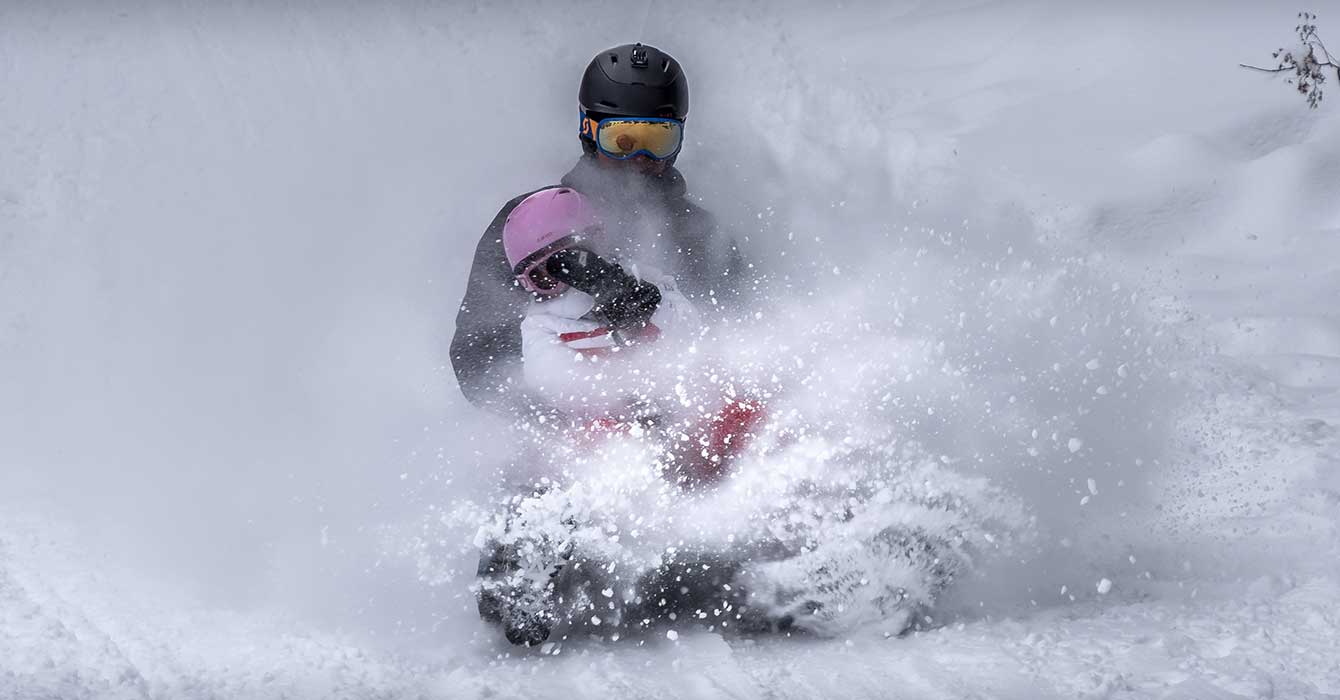
My suggestions & tips on winter clothing & gear for kids and toddlers
I am writing this post because at the start of the winter many of our readers are asking my advice.
We do work together with a kids clothing company but this article is not to promote a particular brand, but more for you to understand what is important and what to look for. You can always contact me directly if you wish to know more about any specific brands.
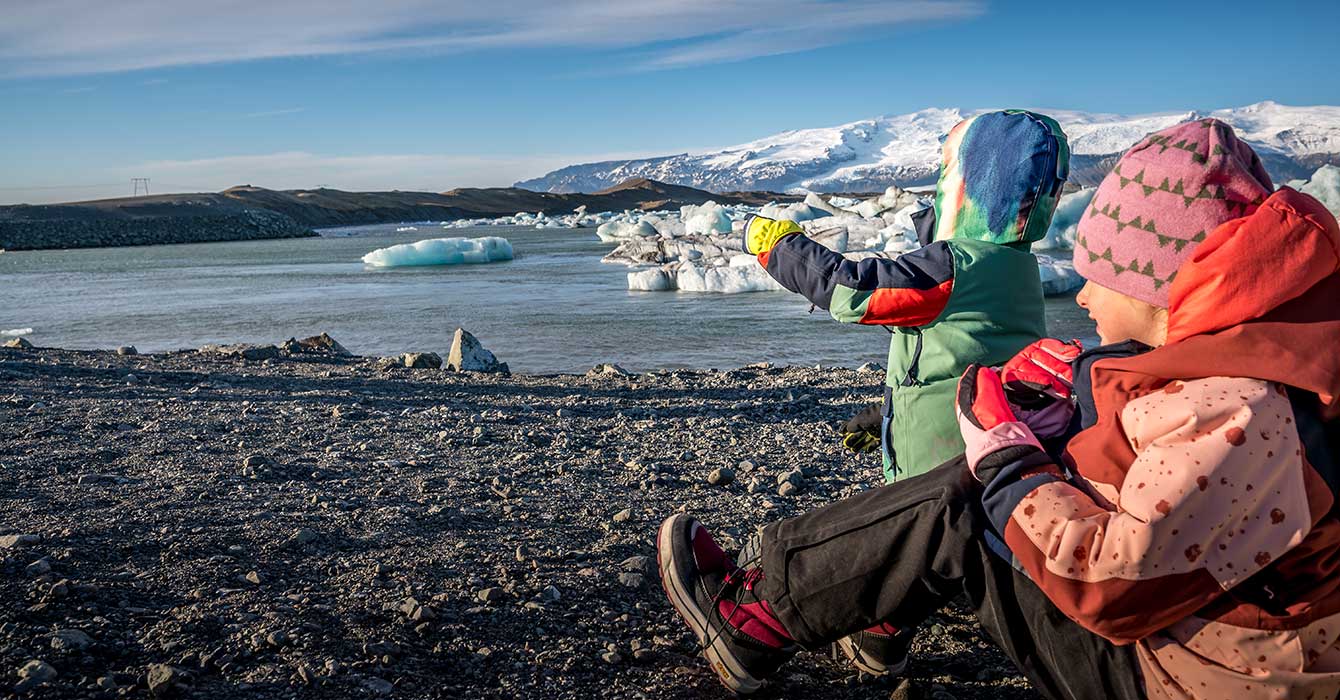
One of our NEW favourite brands is Namuk, a Swiss brand that is also doing their part for the planet and sustainability which we believe is an important matter. 🙂 We only started using this brand during the summer and autumn, but so far are super happy and they have 100% kept the kids dry and warm during our Iceland trip this October 2021. And on top of that, their fashion design and colours are different to all the other brands, which we love as well!
How much does winter clothing & gear for kids cost?
Good winter gear is not cheap but it lasts and the fact that your kids are warm, happy and comfortable when outside is priceless in my mind.
There is one piece of advice I can give you right now. You get what you pay for.
You can shop around to find winter clothes on sale, but when you do, still ensure that the quality is good. I will explain a few key factors to look for below.
TIP: To buy good quality winter gear for the family on a discounted price, check out the websites right after the winter season or again during the summer.
You should roughly know the sizes of your children and many shops have sales at the end of the season and again during the summer when they want to get rid of last years fashion stock.

What are the most important factors when buying winter clothing for kids and toddlers?
Buying snow gear for kids is often something parents always dread to do. Not sure why as I love to kit up our kids in good winter clothes. It is also the season when they are wearing the same clothing most days. Make sure you consider the following factors
- Good waterproof level
- Good breathability
- Stay away from cotton
I also look for sustainability and supporting local businesses.
Good waterproof level
Whether you are planning a ski holiday in Switzerland, want to enjoy some snowy winter days in the alps, or just live somewhere where it is needed, the clothing for the kids need to be waterproof.
Waterproof fabrics will keep the kids dry and comfortable, which we can all agree is pretty important. Firstly, just to clarify, waterproof and water-resistant are not the same thing.
In a nutshell a waterproof winter jacket is made from a fabric that will not let water through the fabric or the seams. A water-resistant fabric will repel water but the water will seep through eventually.
To know if the desired jacket is perfect for your children waterproof clothing has a rating system.
Below is information from a sports website. For kids gear I would go for a minimum 15,000mm. You do not need extreme winter gear for expeditions although taking the kids out in winter feels sometimes like one.

Waterproofness Ratings:
- 5,000mm: This is the minimum rating for a jacket to be called rainproof, however, it won’t stand up to much more than a light shower.
- 10,000mm – 15,000mm: A jacket in this range will withstand most downpours as well as heavy snow, but will soak through over time if subjected to pressure, such as crashing in wet snow, kneeling or sitting down, or a heavy pack.
- 20,000mm and Up: This is the rating you should look for if you plan to be out in all conditions carrying a heavy load.
Good Breathability
Breathable fabrics allow sweat in the form of water vapour to escape from the inside of the fabric to the outside. Now, I believe this is not such an important factor when choosing the best winter clothing & gear for kids and toddlers as kids do not sweat like adults do. For children anything with a 10.000g/m2 rating is great.
But as we’re discussing the technical part of winter clothing, let’s have a look at these numbers and what they mean.
Breathability Ratings:
- 5,000 – 10,000g/m²: This level of breathability is fine for resort skiing, urban travel or camping in the rain, but will get a bit clammy during high-intensity hiking or climbing.
- 10,000 – 15,000g/m²: Jackets in this range are suited to more adventurous travel or backcountry skiing, but breaking trail through snow or straight uphill might prove too much.
- 15,000 – 20,000g/m² & above: An extended trip to the hills, trekking in warm climates or otherwise working hard and perspiring heavily will require a jacket this breathable.
Why should you stay away from cotton?
I remember when I was a kid that cotton was the go-to clothing material and we always wore our PJ’s below our ski gear. 🙂 Well like everything in life, things change, and science has revealed new information. This also applies to what is best to wear during the winter season.
Cotton is now a HUGE no in cold weather conditions. Not only is cotton absorbing (and holds onto) rain and snow, but it also absorbs sweat. And as cotton clothes are normally worn direct on the skin, when your cotton clothes are wet, YOU’RE wet….and very cold.
It’s best to make a small investment in non-cotton clothing to keep your kids warm and happy.

How should kids dress in winter?
Now, as we know what to look out for when buying the best winter gear for kids and toddlers, we need to ensure that these clothes are used the right way.
Actually, not only the kids but everybody should layer. The techniques may change, depending on the age of the kids and how well they are able to keep themselves warm, but the basic idea is the same: layering.
Layering clothing for kids in cold weather is slightly different than for an adult. I always wonder how to dress the kids to be warm in winter. But with the years of experience and the kids getting older I mostly go by the rule of thumb which for winter weather is:
- babies and children should wear one more layer of clothing than an adult would wear in the same conditions.
You know your child the best and know how they react to the cold. My son feels the cold much less then my daughter, so I always make sure she is slightly warmer dressed than he is. And this I adjust mostly with an extra mid layer.

Why Layers?
It allows pockets of air between clothing layers to help trap heat (body heat) and keep kids warm.
And we all know it allows the possibility to remove a jacket or fleece when they are too warm to avoid sweating. On the other hand an additional layer can be quickly added if needed.
Try whenever possible to use 3 layers. Except in really cold conditions like here during the month of January when the temperature is sometimes not rising above -10 centigrade, then use 4.
It is important that the kids are not feeling any restriction in movement.
When we’re talking about layering the kids for winter activities, we mostly talk about three different layers.
- base layer
- mid layer
- outer layer
The base layer is the most important layer to get right. Remember NEVER get cotton. Merino wool is the material of choice in our household because it offers superb breathability and moisture wicking performance. Yes, it comes with a higher price tag as well, but it is so worth it.
Make sure it fits snugly and is comfortable on your child’s skin.
When it come to the mid-layer, the choices are wider and it is this layer which is often changed depending on the winter weather conditions.
I would also say if you want to keep the budget low you can do so with the mid layer.
This is the layer which will insulate the kids. We love a snuggly fleece or a soft shell. In very cold conditions we add the autumn down jackets which give the 4th layer.
The outer-layer is again an important one and it needs to be a good one. This is the one which protects from the wind and rain/snow.
The outer layer which will be your kids ski and winter jacket can be a bit bigger to allow greater movement. It may also be possible to use it for a 2nd winter season as of 5-6 years old when the growth spurts can slow down.
Let’s talk about snow boots, gloves, hats & balaclavas for kids.
Living in the Swiss alps we must also think about the extremities.
Good kids winter boots & socks
We wear our winter boots pretty much from November all the way through to March, if not April. Therefore, a good solid winter boot is vital.
A mistake many make when buying winter boots is to buy them too small. At least 1cm space needs to be available from the big toe to the end of the shoe. Only buy shoes where you can take out the inner layer because it allows you to quickly dry them out should they get wet inside.
This is also a good way to check whether they are still the right size or not. Don’t go for cheap ones here.
And with good winter boots you need good socks. They can mean the difference between feet staying warm or dealing with near frostbite if it’s really cold. Always go with wool socks. It is a worthwhile investment for cold climates from the very beginning of the season.
If your child’s feet get wet, the wool will keep them warm. NEVER layer cotton socks, it is counter-productive.
Kids Winter Gloves
Another important piece of clothing, but also one that is difficult to get right.
Little hands get cold easily and to find some great winter gloves has been quite a task for us. Mittens are definitely better than gloves with fingers. Make sure they are long so they are going OVER the ski jacket. Another great feature I always look for are wrist straps.
Add hand warmers into the gloves on very cold days. But check frequently that it is not getting too hot.
If you use this method on a toddler who is sedentary in a backpack, sledge or pushchair use a liner glove + a waterproof outer glove and sandwich a hand warmer in between. For safety be sure no skin is directly touching the hand warmer.
Protect the Face and Cheeks
When skiing, our kids always wear a balaclava under their helmet to keep their ears and their little cheeks warm. I also use a cold cream on very cold days to help protect their cheeks.
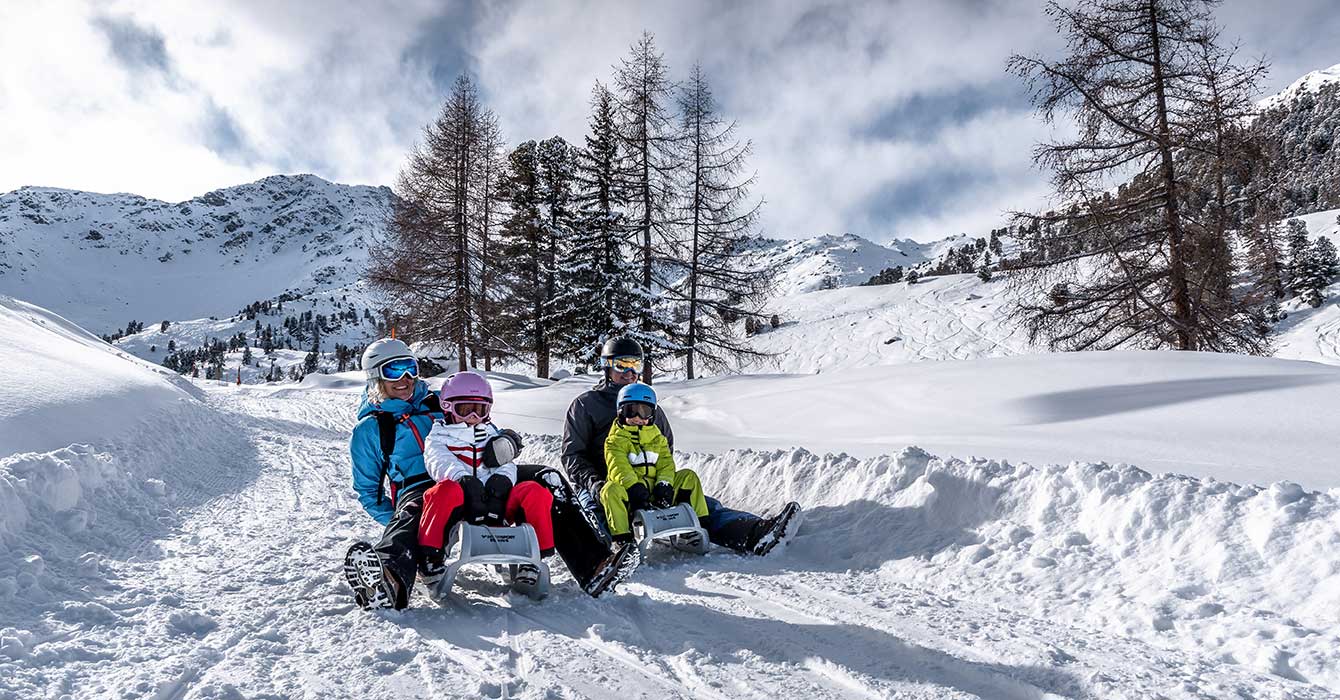
Together with the ski goggles which give even more coverage against the cold, they are on most ski days ok. Same combination when we’re out sledging.

Check frequently if your children are cold
For older children it is easy, just ask them. But I remember when the twins where babies I constantly worried that they were cold.
Check the temperature of a baby by feeling the nape of their neck. And check the hands and feet as well just to be sure. Protect them from the wind!
Extra Tips when out on winter days
Being a parent, you probably carry extra dry clothes ready in a bag in the car, just in case. And if not, this is a very good practice to start.
Carry extra hand warmers with you. We actually use the foot warmers for hand and feet as they are slightly smaller and fit perfectly in smaller gloves and winter/ski boots.
Ask your kids frequently, even older kids if they are cold and on very cold days shorten your outside activity if necessary.
If you have to gear up a whole family, I understand that this can become quite pricey. But many forget that in general, kids need less clothing during the winter months. One good jacket is all they need, for school, skiing, playing with friends outside and even going to grandma. I am sure at the end you actually will spend probably about the same amount of money for the winter gear as you would for any other season.

And here are our Top Winter resorts in Switzerland
-
- Valais – Skiing Les 4 Vallées – Switzerlands biggest ski domain
- Meiringen Hasliberg – A great family winter resort in the Jungfrau Region
- Zermatt – A dream Winter vacation for the Family
- Bettmeralp Valais – Epic winter paradise in the Aletsch Arena
- Villars – Les Diablerets – More than just a Winter resort
I hope that the information provided here will prove itself useful when buying the Best Winter Clothing for the Kids and Toddlers
If I have left anything out or you have a question, please ask your questions in the comments below so that other readers can join in the conversation and benefit from your queries also.
Thank you & Never Forget to Explore
If you Like it PIN it and tell a friend















3 thoughts on “Best Winter Clothing & Gear for Kids and Toddlers”
Thank you for all your great advice on keeping my daughter safe and warm this winter.Its nothing like Switzerland but it does get cold and wet. Going shopping for winter jacket and pants today any recommendations? Thanks and goodbye for now !
Dear Christopher. many thanks for taking the time and reading our blog and I am glad we could help. 🙂
Not sure if you already went shopping, but as mentioned in the article, the brand is not so important but more that is is a 15000 min water proof and that they are warm.
We normally go with the brand Namuk a Swiss brand or Reima is also great. Let me know if you chosen something for here. And have a fun and warm winter . Kindest Corina
Amazing information for children wear with top brands.