Have you ever travelled through a region and wondered which colour best represents it?
Some destinations are easy to imagine — the Maldives with endless shades of blue, Bali wrapped in lush green jungles, or the white glacier landscape of Iceland.
But what about Ticino, the southernmost canton of Switzerland? Ticino is divided into four distinct regions, each offering its own landscapes, atmosphere and experiences.
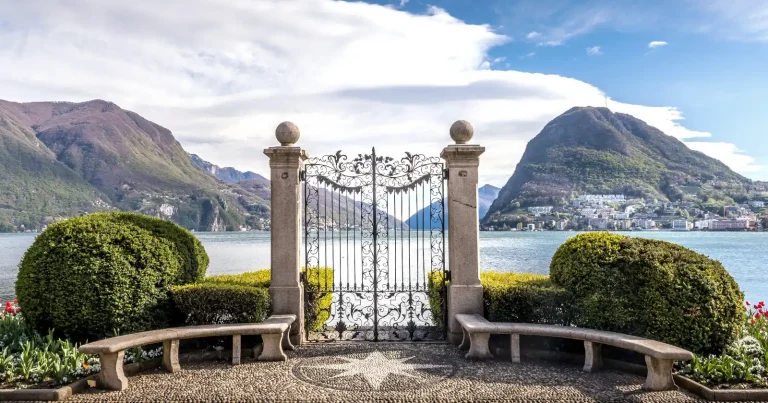
When thinking of this beautiful region, a whole palette of colours comes to mind: the deep blue waters of Lake Lugano and Lake Maggiore, the lush green alpine valleys, the colourful piazzas of Ascona, Locarno and Lugano, and the warm orange glow of sunset over the mountains.
Looking a little closer, each of the four regions of Ticino almost seems to have its own colour identity.
In this guide we explore the four regions of Ticino through their landscapes, atmosphere and colours.
If you’re looking for a quick overview of the region, you can also read our guide to the best places to visit in Ticino, where we share the highlights across the canton.
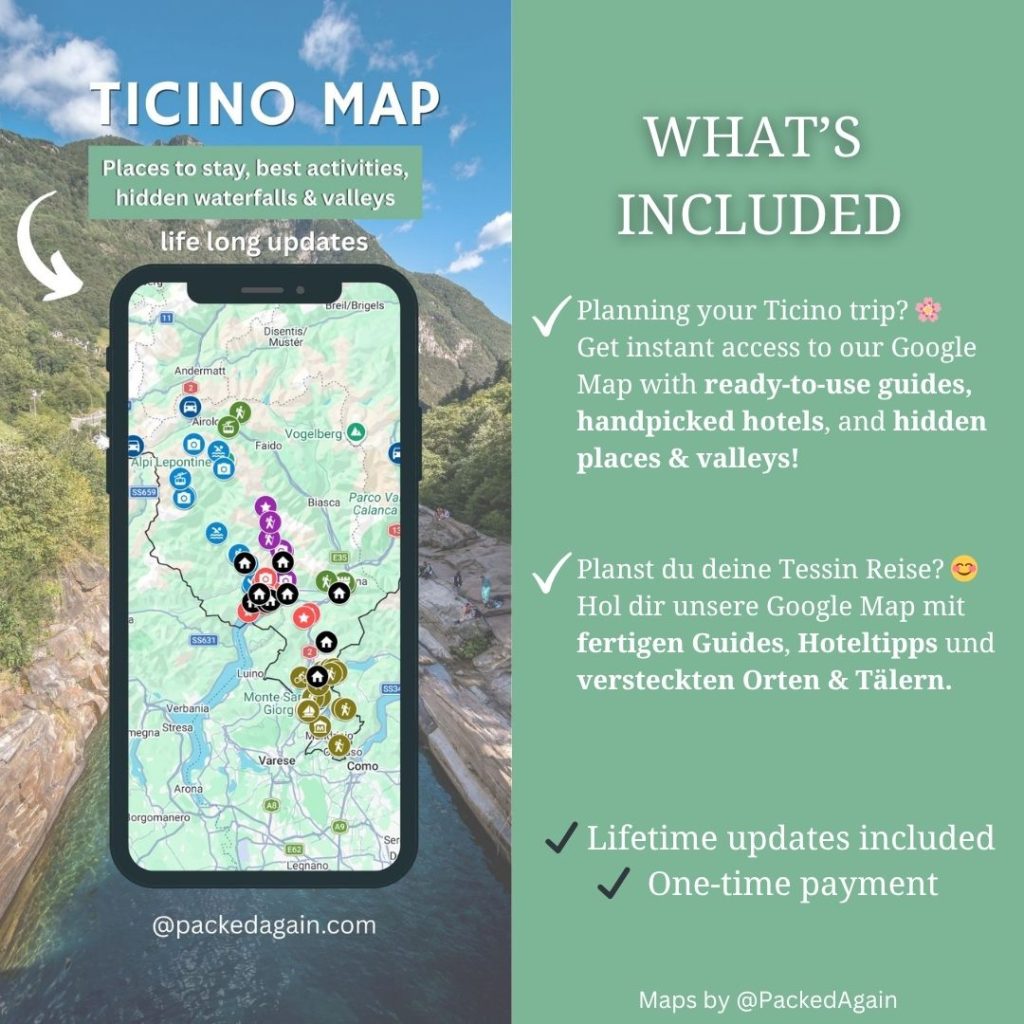
We’ve also created a list of the 24 best things to do in Ticino, covering activities across all four regions. All these places and activities throughout the four regions are listed on our interactive Ticino Map.
The Ticino Regions
Before looking closer at the colours of Ticino, it helps to understand how the canton is divided.
Located on the southern side of Switzerland and bordering Italy, Ticino is the country’s only Italian-speaking canton. The region has a completely different atmosphere compared to the rest of Switzerland.
Palm-lined promenades along the lakes give it a Mediterranean feel, while historic castles, baroque architecture and traditional stone villages reflect its long and fascinating history.
And of course, one of the highlights of visiting Ticino is the food. Influenced by neighbouring Italy, the local cuisine combines Mediterranean flavours with Swiss alpine traditions.
Ticino is divided into four main regions, each offering different landscapes and travel experiences.
In this guide, we explore these regions through colour — highlighting what makes each part of Ticino unique.

Ticino Regions – Things To do & See
Now that you have a better feel for the four regions of Ticino, you might want to start planning your own trip through this beautiful part of Switzerland.
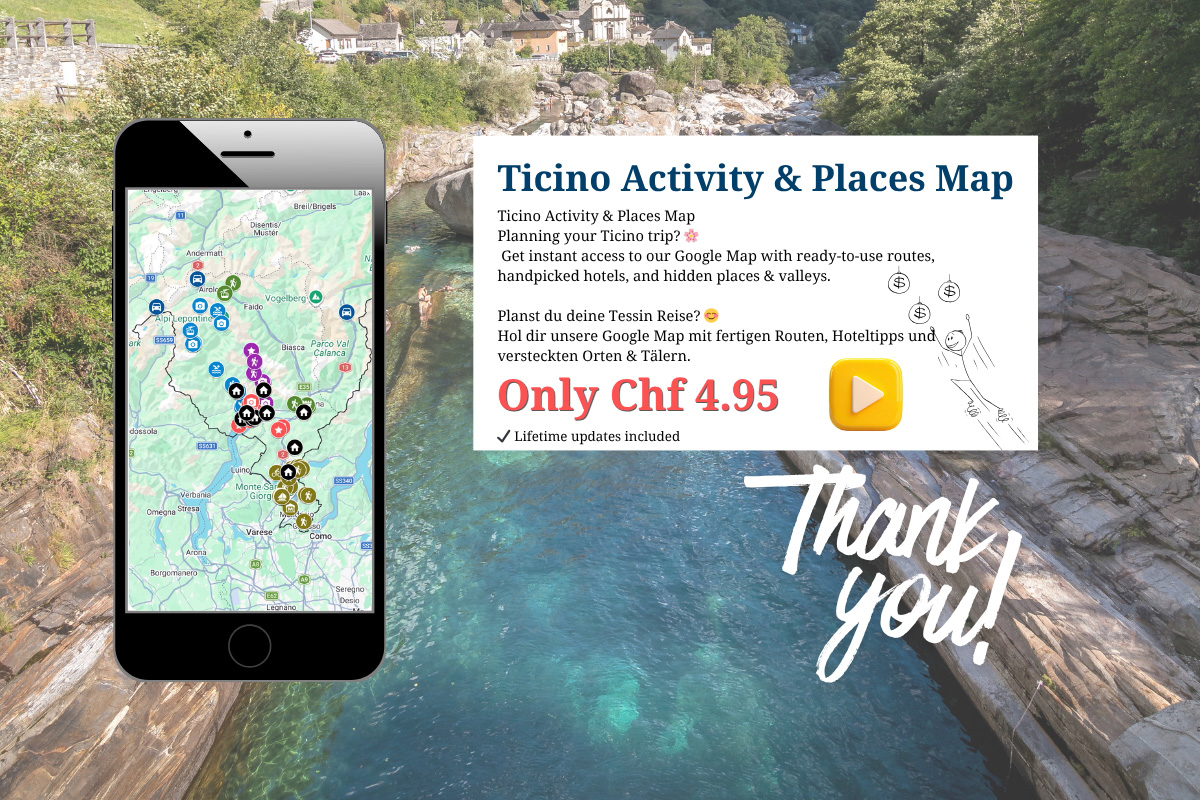
To make things easier, we’ve put together our Ticino Map, where we’ve collected our favourite hikes, viewpoints, places to stay and a few hidden gems along the way.
It’s the exact map we use ourselves when planning trips to Ticino — and it helps to see everything in one place without jumping between different guides.
Where to Stay When Exploring the Ticino Regions
Ticino is surprisingly compact, which means you can easily explore several regions from one base. Many visitors choose to stay around Lugano, Locarno or Ascona, as these towns offer great transport connections and plenty of accommodation options.
Staying in Lugano? Our full Where to Stay in Lugano guide covers the best neighbourhoods and hotels for every budget.
Another advantage is the Ticino Ticket, which you receive when staying at least one night in the canton. The ticket gives you free public transport throughout Ticino, making it easy to move between valleys, lakes and villages.
Find out a little more about a Ticino getaway direct on their website.
You can explore accommodation across the region using the interactive map below.
Some Places We Recommend in Ticino
Bed & Breakfast
- B&B Ca San Matteo – Cagiallo (Capriasco)
A peaceful and stylish retreat that quickly feels like home.
Apartments
- Casa al Sole – Morcote
A beautiful apartment perfectly located for discovering southern Ticino.
Hotels
- LUGANODANTE – Lugano
A fantastic 4-star hotel right in the historic centre. - Casa Berno Swiss Quality Hotel – Ascona
A peaceful retreat in the hills overlooking Lake Maggiore.
Another of our favourite is the Albergo Losone which is part of the amazing 9 Swiss family Hotels. If you’re planning a longer trip, you can also explore our guide to the best places to visit in Ticino, where we highlight the most beautiful valleys, villages and viewpoints across the region.
Bellinzona & Valleys Region
For many travellers (including many Swiss visitors), the Bellinzona and Valleys region is often simply passed through on the way to southern Ticino.
But this area hides some of the most fascinating landscapes in the canton. Wild alpine valleys, historic villages and centuries-old traditions make it a region well worth slowing down for.
At the heart of the region lies Bellinzona, famous for its three majestic medieval castles forming a UNESCO World Heritage site. Perched above the town, the fortresses dominate the landscape and give the entire region a strong sense of history.
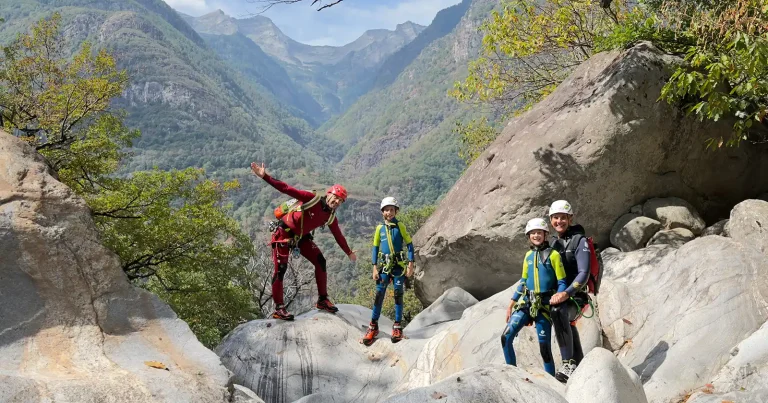
Beyond the city, the valleys north of Bellinzona open into a rugged alpine playground where hikers and cyclists will find quiet mountain trails, alpine lakes and unspoiled nature.
Highlights of the Bellinzona & Valleys Region
Some experiences that showcase the character of this region include:
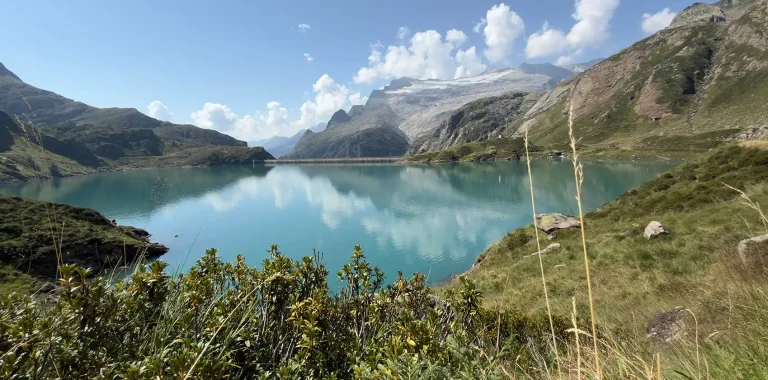
- Val Piora – a stunning alpine valley known for its turquoise lakes and scenic biking and hiking routes.
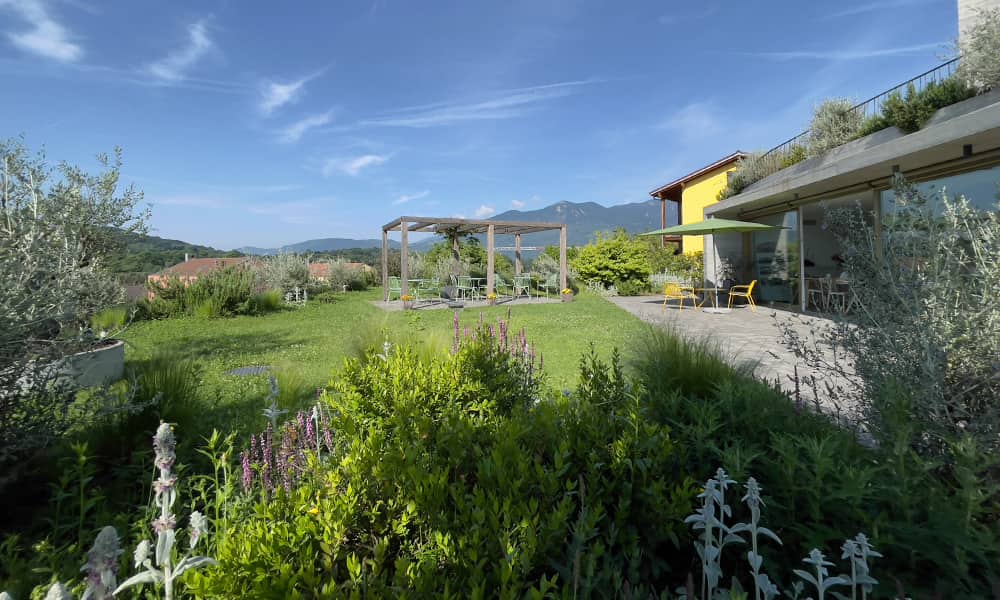
- Curzútt and the Tibetan Bridge – a spectacular suspension bridge high above the valley, offering impressive panoramic views.
- Bellinzona’s Three Castles – Castelgrande, Montebello and Sasso Corbaro together form one of Switzerland’s most remarkable medieval fortress systems.
- Magadino Plain and the Ticino River – where the river creates small natural beaches perfect for relaxing at the end of a warm day.
The Colour of the Bellinzona & Valleys Region
With its medieval fortresses dominating the skyline and centuries of history embedded in the stone walls, the colour that best represents this region is Fortress Grey — a reminder of the powerful castles that have watched over Ticino’s alpine routes for hundreds of years.


Ascona–Locarno Region
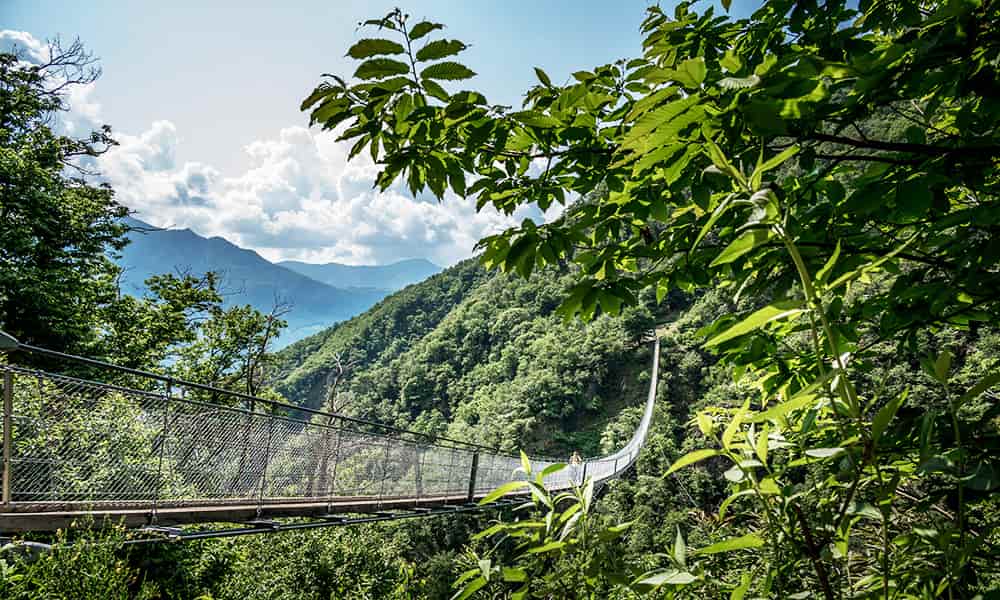
Stretching along the shores of Lake Maggiore, the Ascona–Locarno region is often the first place travellers fall in love with when visiting Ticino.
Palm trees line the lakefront promenades, colourful piazzas fill with life in the evenings and the surrounding mountains open into some of the canton’s most famous valleys.
The region also enjoys one of the mildest climates in Switzerland, which explains the Mediterranean atmosphere that makes Ascona and Locarno feel so different from many other Swiss towns.
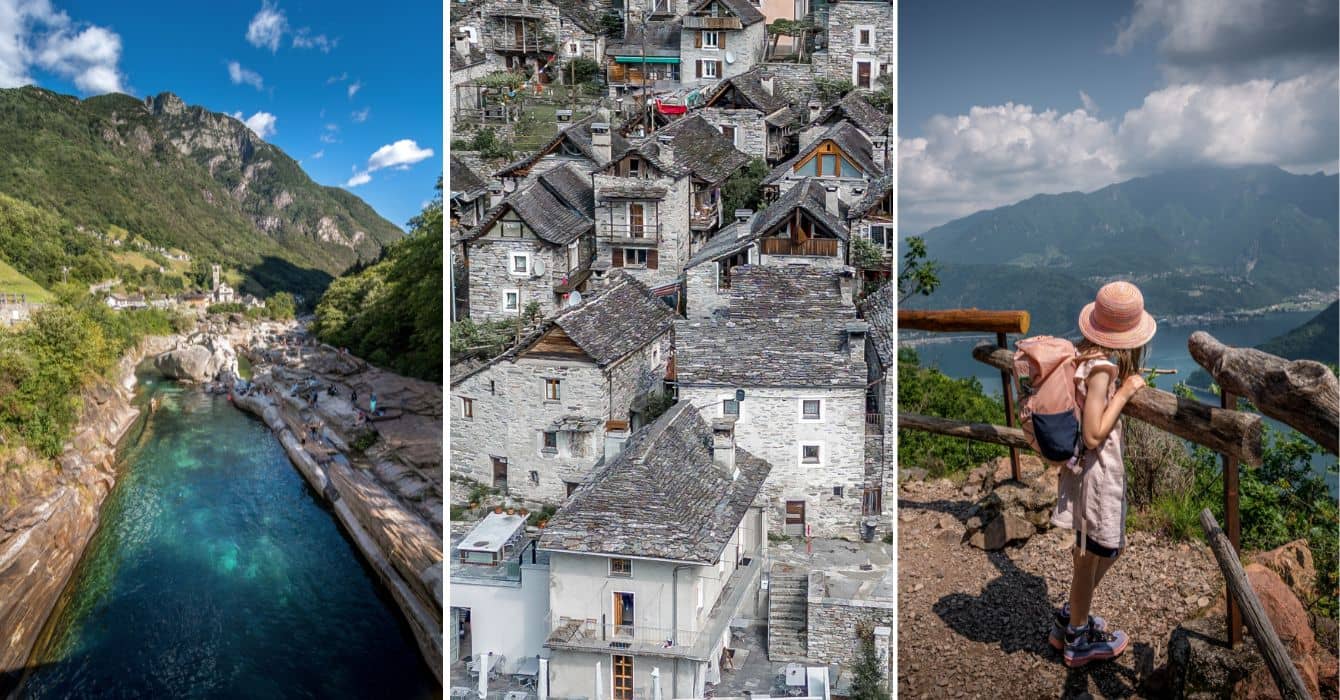
Just a short drive from the lakeshore, the landscape changes dramatically as the valleys of Verzasca and Maggia lead deep into the mountains. Here you’ll find crystal-clear rivers, historic stone villages and some of the most beautiful hiking areas in Ticino.
Highlights of the Ascona–Locarno Region
A few experiences that capture the spirit of this region include:
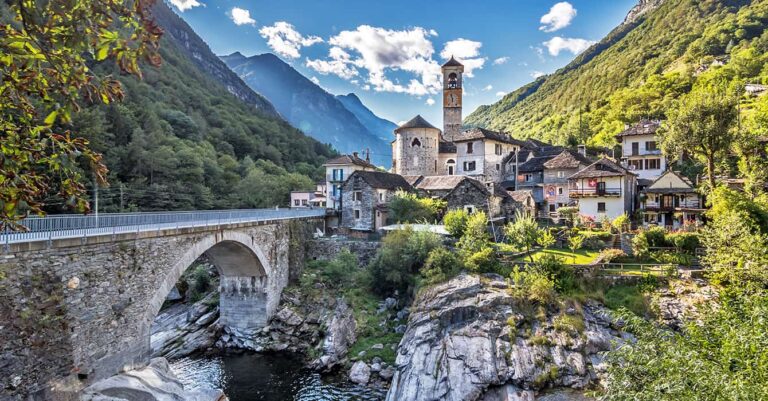
- Verzasca Valley – famous for its turquoise river and the beautiful stone bridge at Lavertezzo. And for families the fun and interactive BoBosco trail.
- Valle Maggia – home to picturesque villages such as Foroglio and its impressive waterfall. And the amazing hidden swimming spots along the Maggia, perfect to cool off from the hot Ticino summer months.
- Evenings on the Ascona or Locarno piazza – where lakefront restaurants, music and lively cafés create a wonderful atmosphere.
- Falconeria Locarno – an impressive bird-of-prey show where eagles, hawks and owls fly just above the audience.
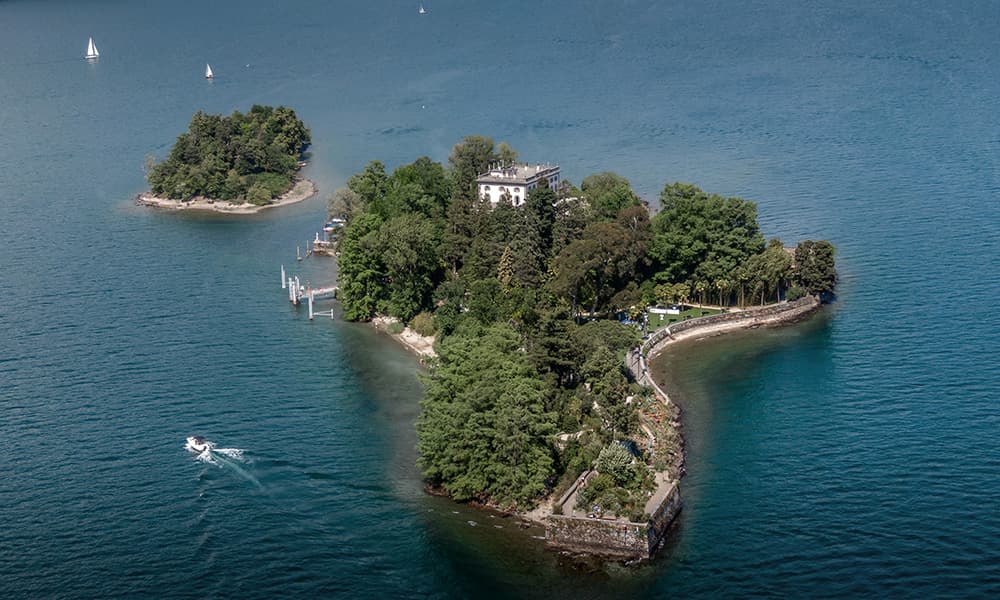
- Isole di Brissago – a botanical island garden in the middle of Lake Maggiore, easily reached by boat from Ascona or Locarno.
For a deeper dive into this part of the canton, you can also read our guide to the best things to do in the Ascona–Locarno region.
The Colour of the Ascona–Locarno Region
With the turquoise waters of the Verzasca and Maggia rivers flowing into the deep blue of Lake Maggiore, the colour that best represents this region is simply Blue.


Lugano – The International Region of Ticino
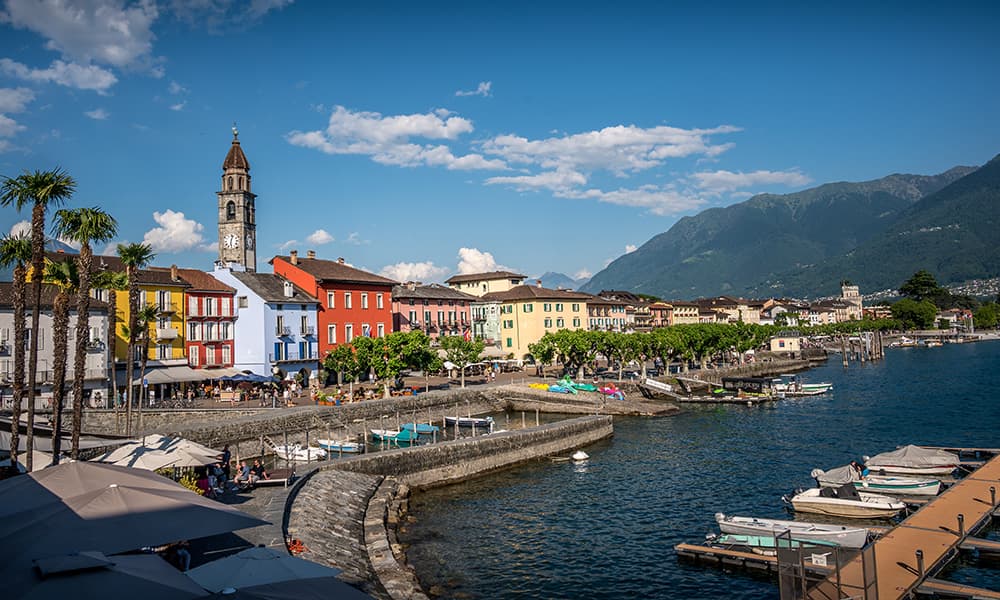
The lakeside city of Lugano is the largest destination in Ticino and often considered the most cosmopolitan part of the canton.
Like the other regions of Ticino, Lugano combines mountains and water in close proximity. But the atmosphere here feels a little different. Elegant lakeside promenades, beautiful gardens and lively piazzas create a city that feels both relaxed and international at the same time.
Walking through Lugano you’ll notice the mix of locals, visitors and business travellers, giving the city a unique energy compared to the quieter villages and valleys found elsewhere in Ticino.
Yet despite its urban feel, nature is never far away. Within minutes you can be hiking in the surrounding mountains or enjoying the peaceful parks along the shores of Lake Lugano.
You can also discover more highlights in our guide to the best places to visit in Ticino. And read our guide to where to stay in Lugano.
Highlights of the Lugano Region
Some experiences that capture the spirit of this region include:
- Exploring the old town of Lugano, with its arcades, boutiques, museums and historic churches.
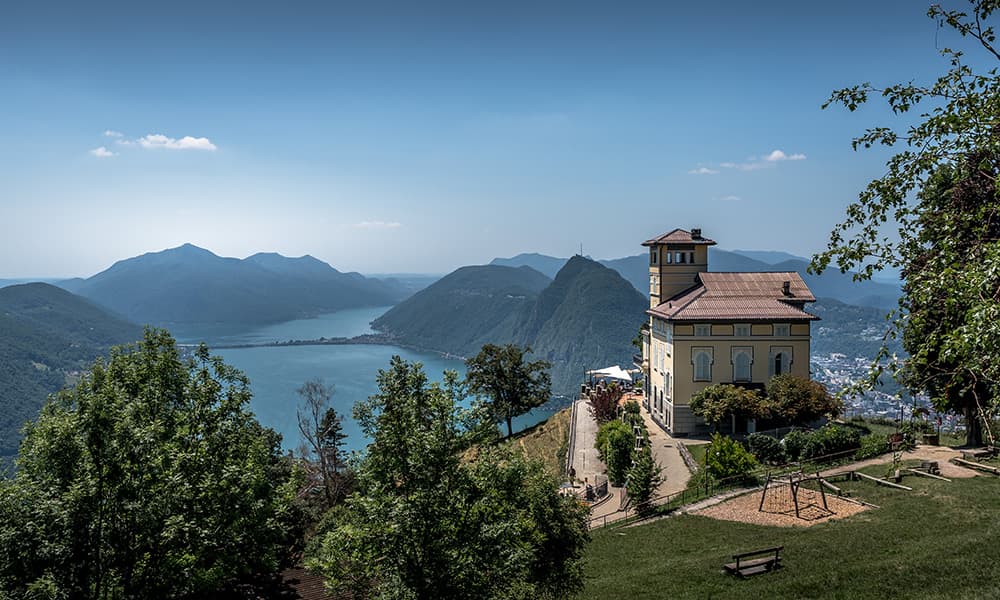
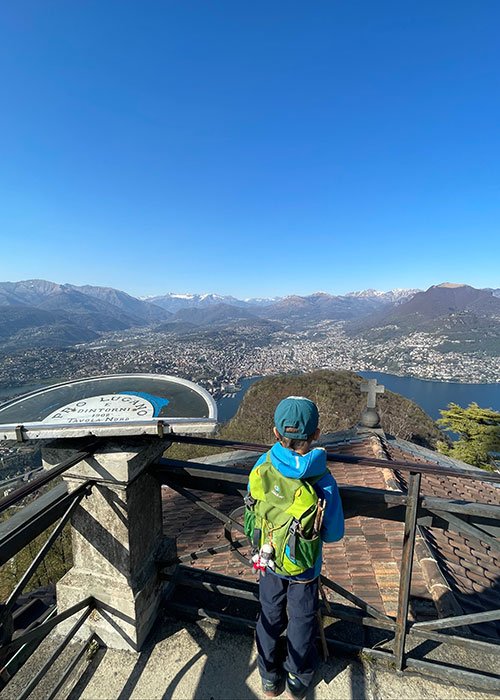
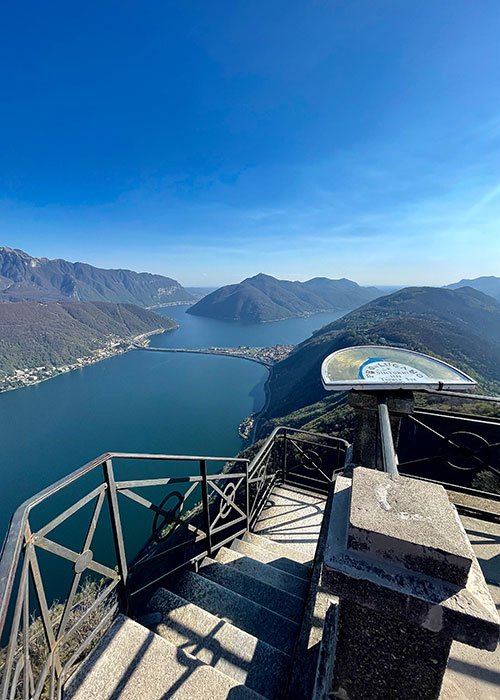
- Taking the funicular up Monte San Salvatore, where panoramic views open across Lake Lugano and the surrounding mountains.
- Watching the sunset from Parco San Michele, one of the most beautiful viewpoints over the city. This was without a doubt one of our favourite sunsets in Lugano.
- Relaxing in Parco Ciani, a peaceful lakeside park with gardens, playgrounds and shady picnic spots.
If you’re planning to explore the region in more depth, you can also read our 4-day Lugano itinerary, where we share several family-friendly ideas for discovering the city and its surroundings. And if you like biking in a city like we do, then this itinerary is for you.
The Colour of the Lugano Region
Lugano is full of colour — from the blue waters of the lake to the green mountains surrounding the city. But the moment when the city feels most magical is at sunset, when the warm light reflects across the lake and the mountains turn shades of gold and orange. For that reason, the colour that best represents the Lugano region is Sunset Orange.

Mendrisiotto – The Hidden Jewel of Ticino
Bordering Italy, the Mendrisiotto region feels strongly influenced by Italian culture, food and architecture. Rolling hills covered in vineyards, charming villages and winding lakeside roads give this area a relaxed Mediterranean atmosphere.
Driving along the southern shores of Lake Lugano, the landscape feels almost cinematic — the kind of place where every corner reveals another beautiful view.
With its traditional houses, gentle hills and historic churches, Mendrisiotto is often considered one of the most picturesque yet underrated regions of Ticino.
Highlights of the Mendrisiotto Region
A few experiences that showcase the character of this region include:
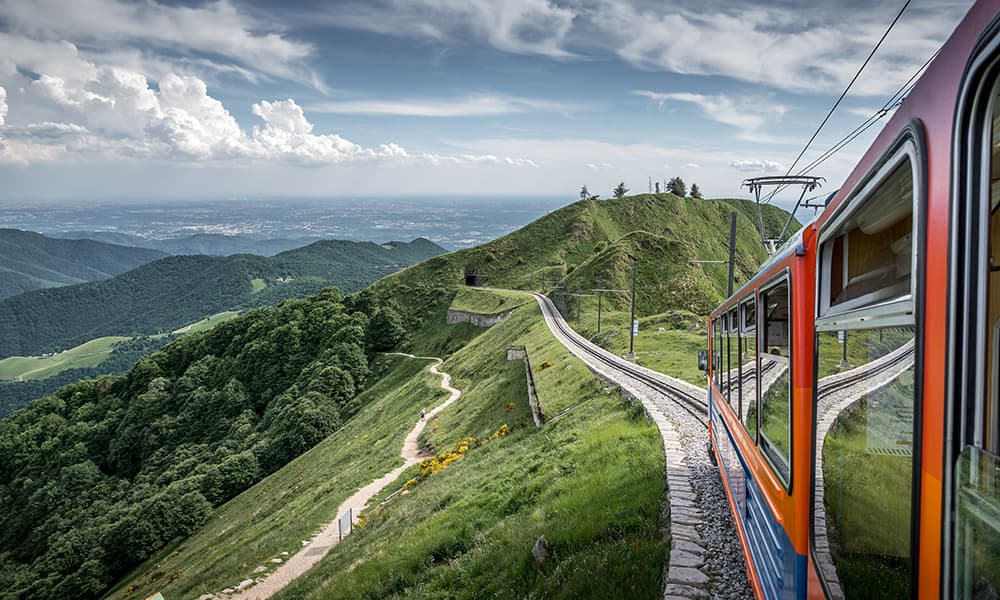
- Monte Generoso – one of the most spectacular viewpoints in Ticino. From the summit at 1704 metres, the panorama stretches across the canton, into Italy and across the Alps from Monte Rosa to the Matterhorn.
At the top stands the striking Fiore di Pietra, a panoramic building designed by Swiss architect Mario Botta. With its large windows and terrace, it’s the perfect place to enjoy lunch while admiring the view. - Valle di Muggio – a peaceful valley where time seems to move a little slower. Hiking here reveals traditional landscapes and the fascinating “Nevère”, stone structures once used by farmers to store milk for cheese making.
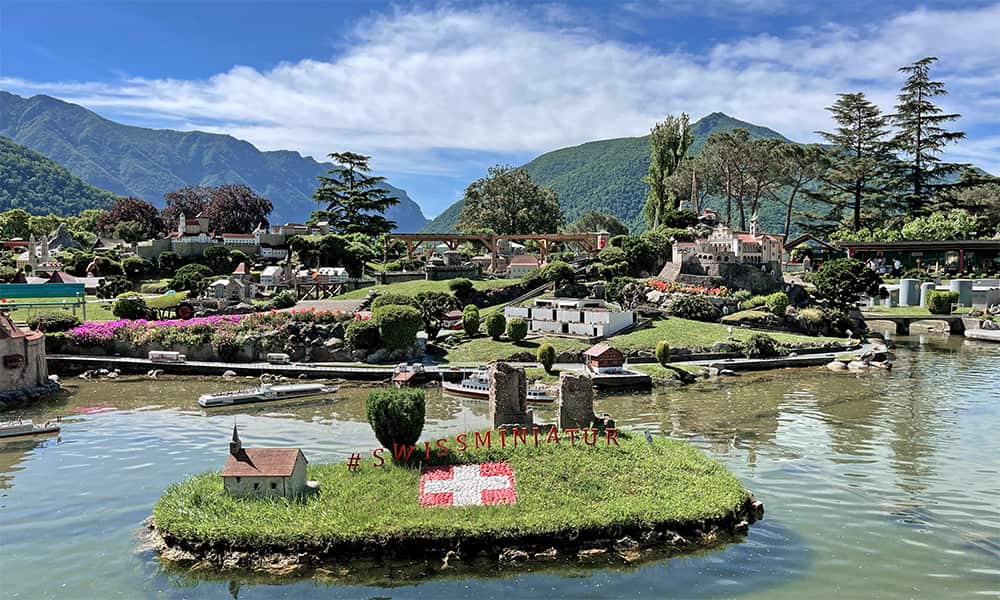
- Swissminiatur in Melide – a miniature version of Switzerland featuring detailed models of castles, churches and famous landmarks from across the country. It’s a fun stop that also gives inspiration for future Swiss adventures.
- Breggia Gorge – a fascinating natural park where ancient rock formations reveal millions of years of geological history. The shady woodland trails along the river make it a great place to explore on warm summer days.
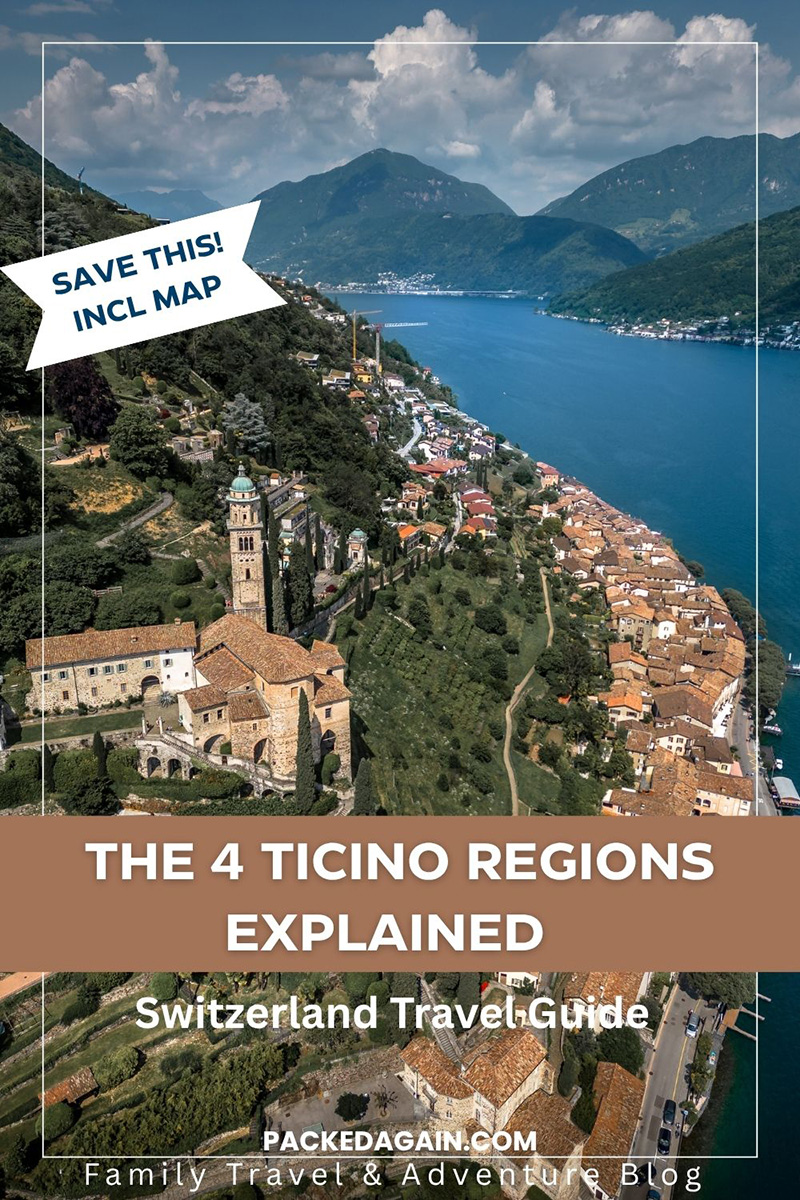
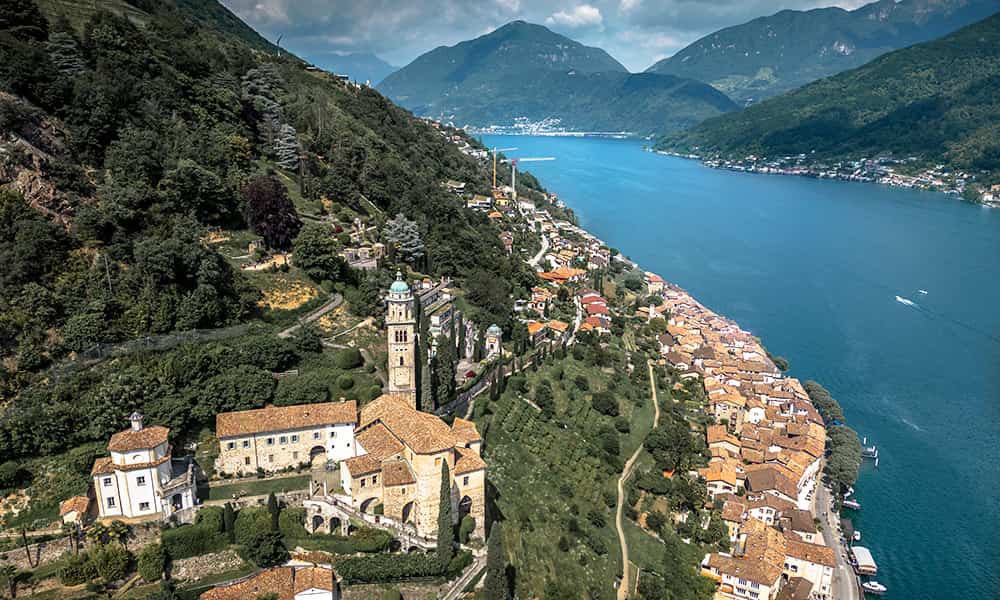
- Morcote – often described as one of the most beautiful villages in Switzerland. Narrow alleys, baroque houses and lakeside views give the village a distinctive Swiss–Italian charm. Climbing the steps up to Chiesa Santa Maria del Sasso rewards visitors with spectacular views over Lake Lugano.
The Colour of the Mendrisiotto Region
With its peaceful landscapes and lush valleys, the colour that best represents this region is Valle di Muggio Green — reflecting the untouched nature and rolling hills that define Mendrisiotto.


Discover Your Own Colour of Ticino
Travelling through Ticino really does feel like moving through a painter’s palette.
From the stone-grey castles of Bellinzona to the turquoise rivers of Verzasca, the deep blues of Lake Maggiore and the soft green hills of Mendrisiotto — each region has its own character, rhythm and atmosphere.
And that’s exactly what makes this part of Switzerland so special.
Whether you’re hiking through quiet valleys, exploring lakeside towns or simply slowing down and enjoying the scenery, Ticino offers an incredible variety of experiences within a surprisingly small area.
If you’re planning your trip and want to explore more, these guides will help you discover even more of Ticino:
Plan Your Ticino Trip – More Guides
- Best Places to Visit in Ticino – our favourite villages, valleys and scenic highlights
- 24 Best Things to Do in Ticino – activities and experiences across all regions
- 4 Day Lugano Itinerary – how to spend a few perfect days around Lake Lugano
- BoBosco Trail in Valle Verzasca – a fun family-friendly hike
- La Via del Ceneri Theme Trail – a scenic walk across the Ticino hills
- Spring Hike to Marcote – a scenic trail above the coline
- Lugano Bike Routes for Families – easy cycling ideas around the lake
If there’s one thing we’ve learned after visiting Ticino in different seasons, it’s this: every time we return, we discover another colour we hadn’t noticed before.
If you’ve already visited Ticino, we’d love to hear which region or “colour” stood out most to you — feel free to share it in the comments below. And if you found this guide helpful, don’t forget to save it on Pinterest or share it with someone planning a trip to Switzerland.
Thank you & Never Forget to Explore